
 English
 русский
 Español
 Deutsch
 عربى
عربى
 0
0

Can a Heavy Duty Paper Shredder Keep Your Sensitive Data Safe?
Yes — a heavy duty paper shredder can effectively protect your sensitive data, but only if you choose the right security level and use it consistently. Not all shredders offer the same degree of protection. From basic strip-cut models to high-security micro-cut machines, the difference between a document being reconstructable and truly destroyed comes down to the shredder type, cut style, and your usage habits.
What "Heavy Duty" Actually Means in Paper Shredders
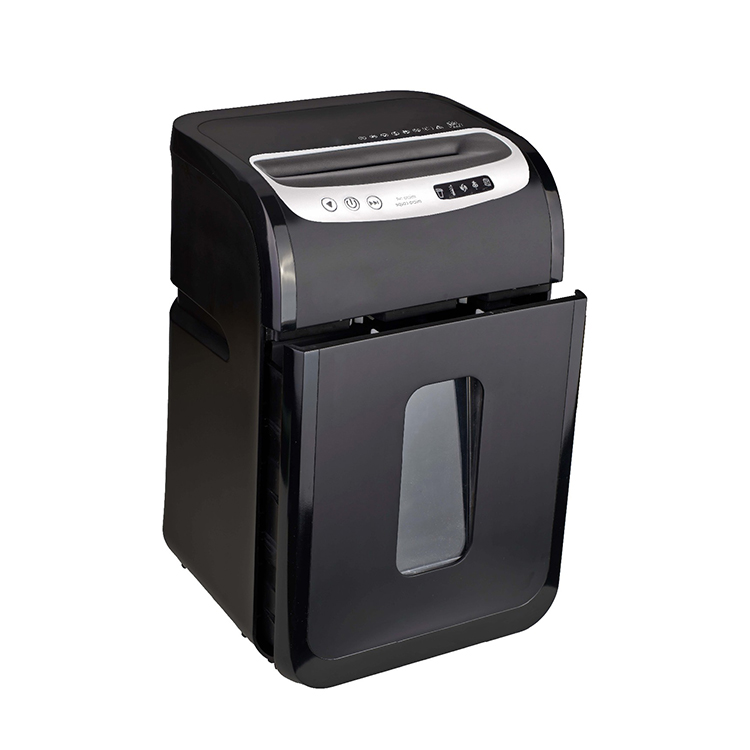
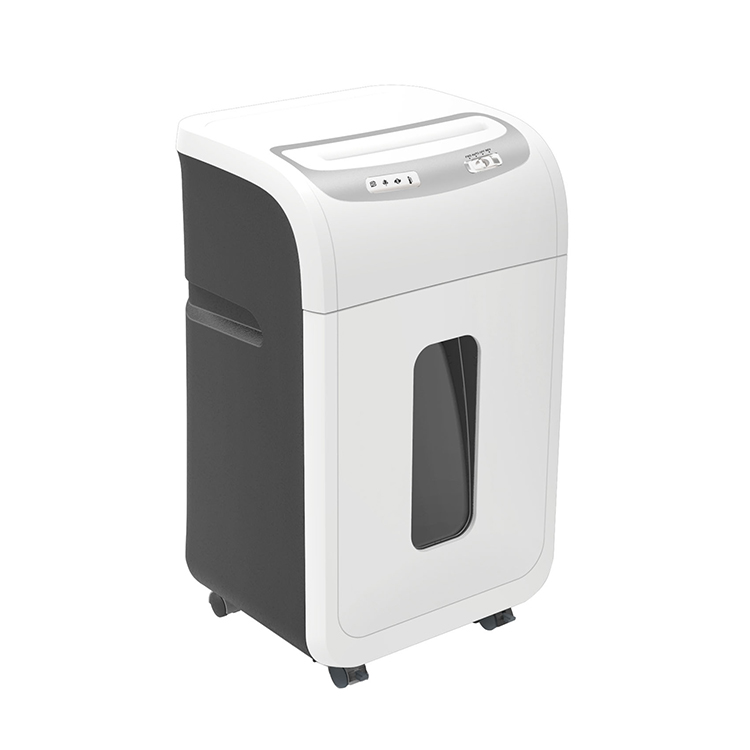
The term paper shredders heavy duty refers to machines designed for high-volume, continuous shredding — typically capable of handling 20 to 60+ sheets per pass and running for 30 minutes or more without overheating. These are not your average home-office devices.
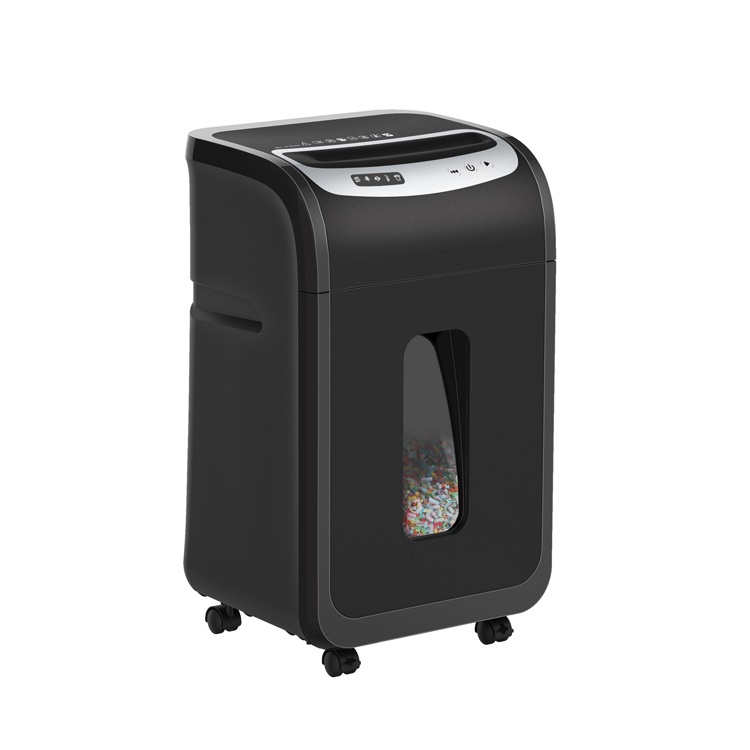
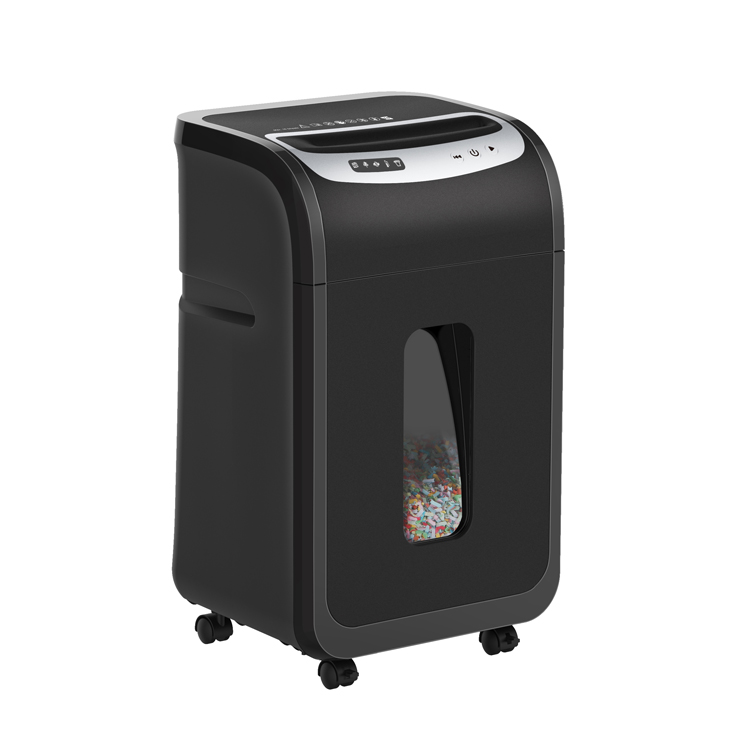
Heavy duty models are built for environments like law firms, medical offices, financial institutions, and government agencies where large quantities of sensitive documents must be destroyed daily. Pro shredders in this category often feature steel cutting heads, auto-reverse jam protection, and multi-material capability — shredding credit cards, CDs, and staples alongside paper.
Key specs that define a true heavy duty unit:
- Sheet capacity per pass: 20–60 sheets
- Continuous run time: 30–120 minutes
- Bin capacity: 30–60 gallons for office-grade units
- Motor power: 1.5–3.0 HP or higher
- Security level: DIN 66399 P-2 through P-7
Security Levels Explained: How Thoroughly Is Your Data Destroyed?
The DIN 66399 standard defines seven security levels for paper destruction. The higher the level, the smaller the particles — and the harder it is for anyone to reconstruct your documents. An ideal shredder for sensitive data should meet at least P-4 (micro-cut) standards.
| Security Level | Cut Type | Particle Size | Recommended Use |
|---|---|---|---|
| P-1 / P-2 | Strip-cut | ≤12mm strips | General waste, non-sensitive |
| P-3 | Cross-cut | ≤320 mm² | Internal business docs |
| P-4 | Micro-cut | ≤160 mm² | Personal & financial data |
| P-5 | Micro-cut | ≤30 mm² | Confidential business records |
| P-6 / P-7 | Micro/Nano-cut | ≤10 mm² / ≤5 mm² | Government / top-secret documents |
A crushershredder machine operating at P-4 or higher renders documents unreadable even under forensic analysis. By comparison, strip-cut shredders (P-1/P-2) have been demonstrated in multiple security tests to be reconstructable within hours using basic tools or software.
What Types of Sensitive Data Are at Risk Without a Heavy Duty Shredder?
Many people underestimate what information can be extracted from discarded documents. The following categories represent high-value targets for identity thieves and corporate spies alike:
- Financial statements — bank account numbers, routing details, credit card numbers
- Medical records — insurance IDs, diagnoses, prescription details
- Legal contracts — client names, terms, signatures
- HR documents — Social Security numbers, salary data, performance reviews
- Tax returns — income details, dependent information, employer data
According to the U.S. Federal Trade Commission, identity theft affected over 1.1 million Americans in 2023, with a significant portion traced back to physical document exposure. Using a reliable paper disposer — especially one rated P-4 or above — dramatically reduces this risk.
Pro Shredders vs. Consumer Models: Is There a Real Difference?
Yes — and it's significant. Pro shredders designed for office or industrial use differ from consumer models in almost every measurable way:
Durability and Motor Life
Consumer shredders typically carry a 1–2 year warranty and are rated for light daily use. Pro-grade paper shredders heavy duty units, such as those from Fellowes, HSM, or Dahle, often carry 5–10 year warranties with motors rated for tens of thousands of operating hours.
Throughput and Efficiency
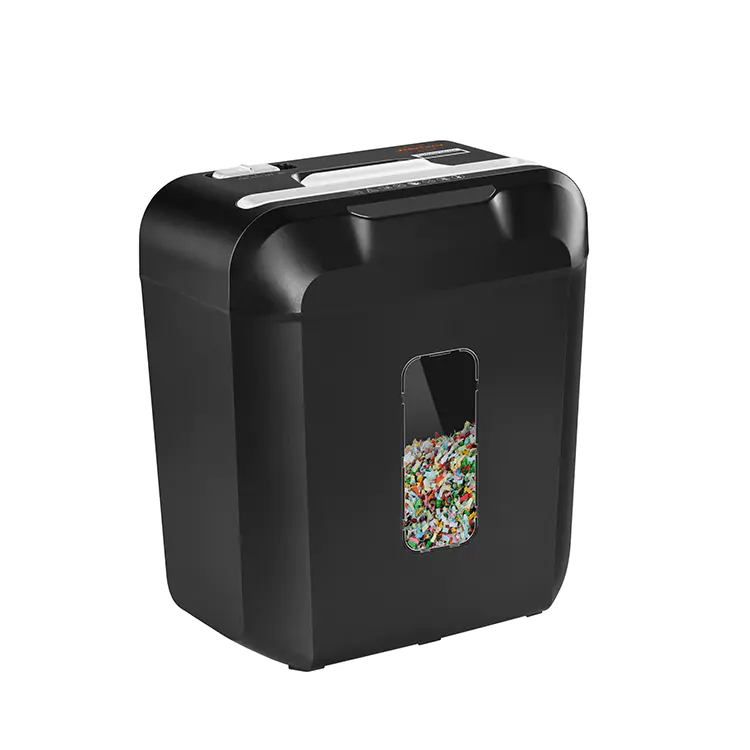
Where a home shredder might handle 8–10 sheets per pass with a 10-minute run time, a woods shredder-class industrial unit can process 40–60 sheets continuously for over an hour. In a busy legal or medical office shredding hundreds of documents daily, this gap translates directly to productivity and compliance risk.
Multi-Material Destruction
Heavy duty models function as a true crushershredder machine — capable of destroying:
- Credit cards and ID badges
- CDs and DVDs
- Staples and paper clips (without removal)
- Envelopes with plastic windows
- USB drives (on select industrial models)
How to Choose the Ideal Shredder for Your Security Needs
Selecting the ideal shredder isn't just about brand — it's about matching the machine's specs to your specific data environment. Use the following framework:
- Define your document volume. Estimate how many sheets you shred per day. Under 200/day = prosumer model; over 500/day = full commercial unit.
- Choose the right security level. For HIPAA, GDPR, or FACTA compliance, a minimum of P-4 micro-cut is strongly recommended.
- Check the run time. Avoid shredders with under 20 minutes of continuous operation if you're shredding in batches.
- Consider multi-material needs. If you regularly destroy cards, CDs, or drives, verify your model supports these.
- Factor in bin size. A 10-gallon bin in a high-volume environment means constant emptying — opt for 30+ gallons for efficiency.
Note: While the phrase best guitar shredders may come up in casual search results alongside shredder-related queries, it refers to musicians — not document security. Always filter your research to focus on office-grade or industrial paper shredders heavy duty specifications when sourcing for data protection.
Compliance and Legal Requirements That Demand Proper Shredding
For businesses, using an adequate paper disposer isn't optional — it's legally mandated in many industries:
- HIPAA (Healthcare) — requires physical destruction of all protected health information (PHI) on paper
- FACTA (Finance) — mandates proper disposal of consumer report information
- GDPR (EU) — requires irreversible destruction of personal data at end-of-life
- GLBA (Banking) — financial institutions must maintain written data destruction policies
Fines for non-compliance can be severe. HIPAA violations, for example, carry penalties ranging from $100 to $50,000 per violation, with annual maximums of $1.9 million per category. Investing in a quality crushershredder machine is far less costly than a single data breach investigation.
Best Practices to Maximize Your Shredder's Data Protection Capability
Even the best paper shredders heavy duty unit won't protect you if it's used incorrectly. Follow these guidelines to ensure full document security:
Shred Immediately, Not Eventually
Documents left in recycling bins or "to-shred" piles are still a liability. Shred sensitive documents the same day they are no longer needed. Many organizations using pro shredders schedule daily end-of-day destruction runs as standard protocol.
Don't Forget Digital Storage Media
A woods shredder-level industrial machine can often handle hard drives and USB sticks. For organizations managing digital and physical records simultaneously, choosing a unit capable of destroying both eliminates a critical gap in your security chain.
Maintain Your Machine Regularly
Oil the cutting blades every 30–50 minutes of operation (or per manufacturer guidelines). A well-maintained ideal shredder not only lasts longer — it maintains consistent cut quality, ensuring every document is destroyed to the same security standard.
Train Your Team
Human error is the leading cause of data breaches. Ensure every employee knows which documents require shredding, how to operate the shredder correctly, and what to do if the machine jams or malfunctions.
Final Verdict: Is a Heavy Duty Paper Shredder Enough?
A heavy duty paper shredder is one of the most cost-effective, reliable tools available for protecting sensitive physical data — but it works best as part of a broader security strategy. Pair it with a clean-desk policy, locked document bins, and digital encryption, and you close off one of the most overlooked vulnerabilities in data security.
Whether you're a solo professional using a compact micro-cut paper disposer or a corporate office running industrial-grade pro shredders around the clock, the key principles are the same: choose the right security level, shred consistently, and maintain your machine. Do that, and yes — your heavy duty shredder can absolutely keep your sensitive data safe.




-
 Kaifat Group, No.599, Qiming Road, Yinzhou Incubation, Ningbo, China
-
 +86-574-55665196
-
 [email protected]
