
 English
 русский
 Español
 Deutsch
 عربى
عربى
 0
0

How Do Commercial Shredders Improve Data Security in the Workplace?
In today’s digital era, protecting sensitive business information has never been more important. Data breaches and identity theft can lead to severe financial losses, legal ramifications, and damage to a company’s reputation. In a workplace where sensitive data such as personal details, financial records, and confidential business plans are often handled, commercial shredders provide a vital layer of security.
1. Preventing Identity Theft and Fraud
Identity theft and fraud are significant threats to businesses that handle sensitive information. Whether it’s employee records, financial statements, or proprietary business data, improper disposal of these materials can expose companies to criminal activity. Criminals can easily retrieve discarded documents from dumpsters or trash bins if they are not properly shredded. Commercial shredders ensure that documents are shredded into small, unreadable pieces, making it virtually impossible for anyone to piece them back together. This complete destruction of data is crucial for protecting both individuals’ personal information and the organization’s confidential business operations.
The use of a commercial shredder helps businesses demonstrate their commitment to safeguarding employee and client data, enhancing trust and reinforcing the company’s reputation for security. Proper disposal practices also prevent the potential legal consequences associated with data breaches or improper handling of confidential documents.
2. Compliance with Legal and Regulatory Requirements
Businesses in various sectors are subject to strict data protection regulations designed to safeguard personal and sensitive information. Regulations such as the General Data Protection Regulation (GDPR) in Europe, the Health Insurance Portability and Accountability Act (HIPAA) in the U.S., and other privacy laws require companies to ensure the secure disposal of sensitive documents. Failure to comply with these regulations can result in heavy fines, legal liabilities, and damage to the company’s reputation.
Commercial shredders help businesses comply with these legal requirements by ensuring that all sensitive paper documents are securely destroyed. For instance, in healthcare, shredding medical records is necessary to comply with HIPAA’s privacy requirements. Similarly, businesses handling financial or employee data must follow data protection laws to avoid penalties. Many commercial shredders offer features like automatic data logs or certificates of destruction, providing businesses with evidence that they have properly destroyed sensitive materials, which can be useful for audits or legal purposes.
3. Efficient and Large-Scale Destruction
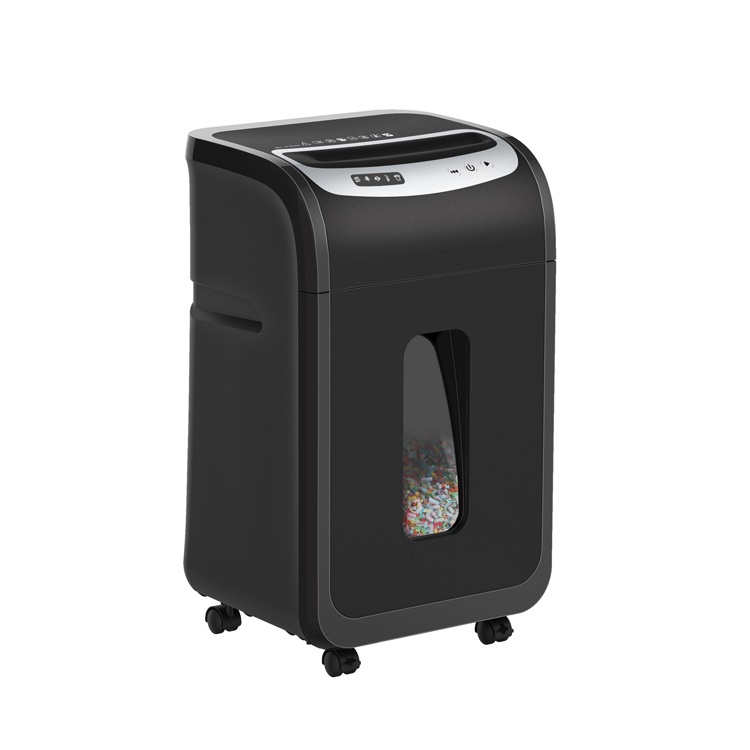
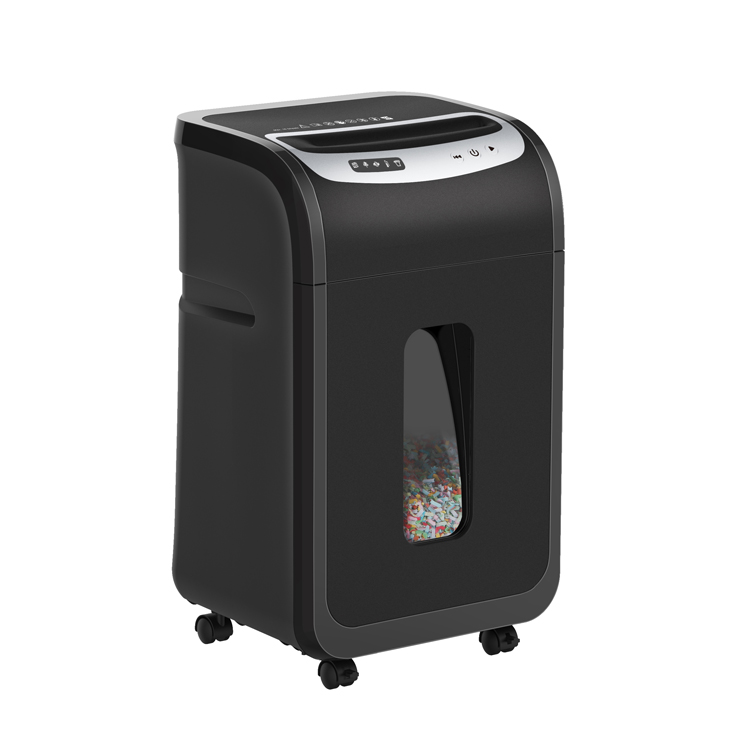
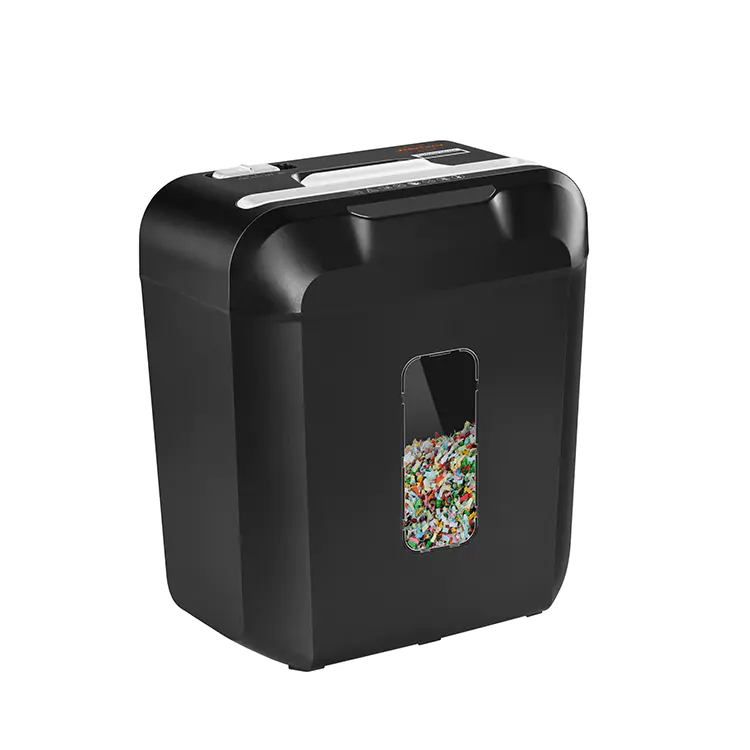
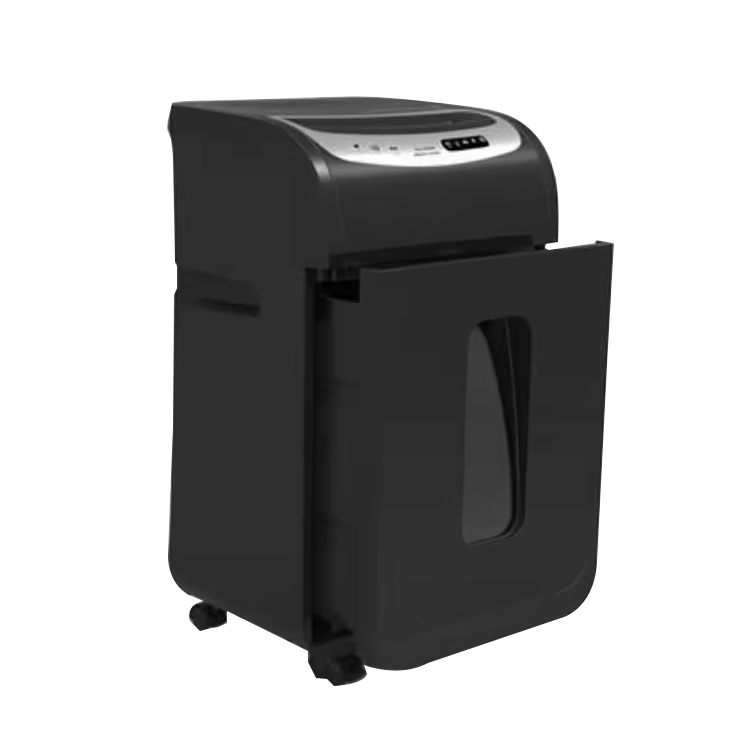
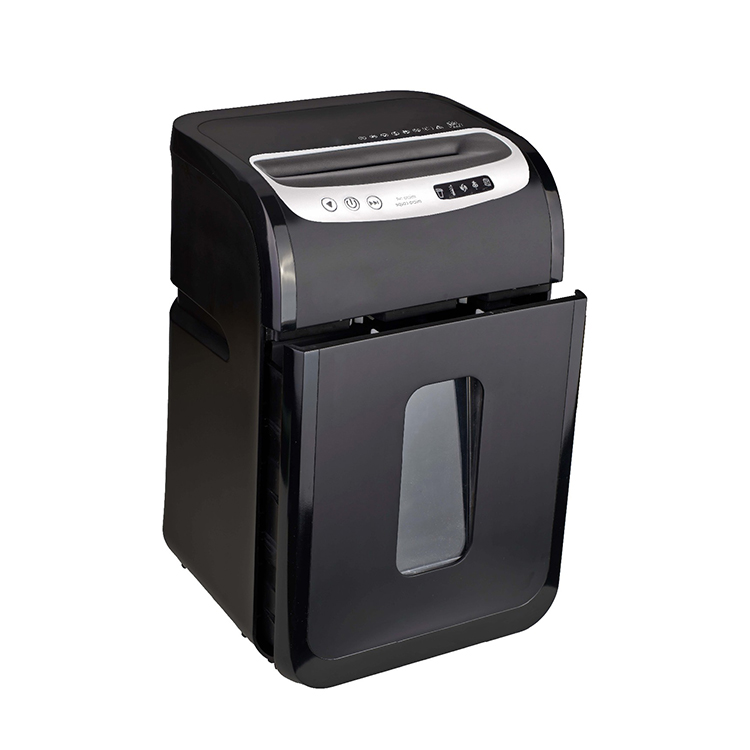
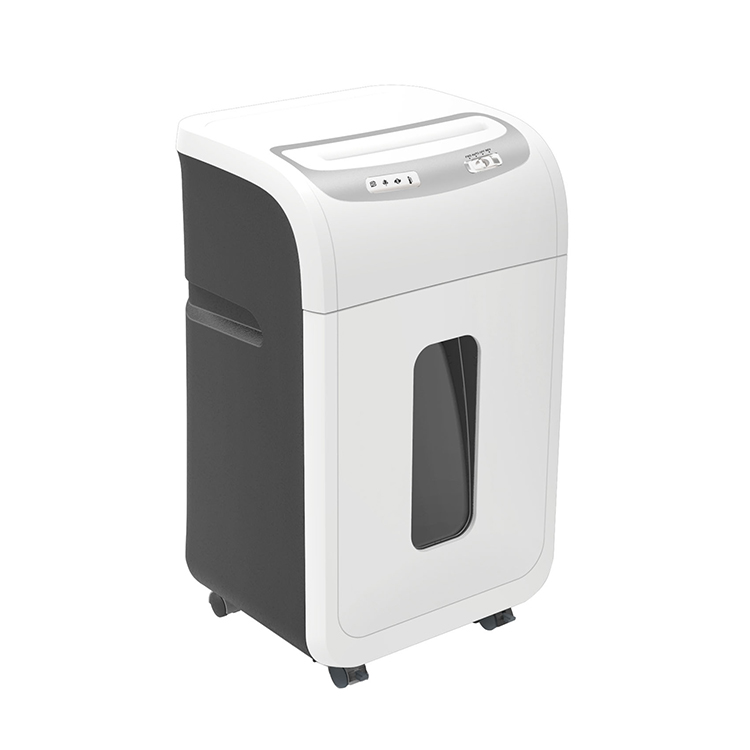
Commercial shredders are designed to handle high volumes of paper, making them ideal for businesses that need to securely destroy large amounts of sensitive data. These machines are built for continuous, heavy-duty use, offering much greater capacity and efficiency compared to consumer-grade shredders. While personal shredders may handle only a few sheets at a time, commercial shredders can process hundreds or even thousands of sheets in a single operation.
| Feature | Commercial Shredders | Personal Shredders |
|---|---|---|
| Shred Capacity | High (e.g., up to 1000 sheets at once) | Low (e.g., 5-20 sheets at once) |
| Security Level | High (Cross-cut or micro-cut) | Low (Strip-cut) |
| Durability | Industrial-grade | Consumer-grade |
| Speed | Fast (e.g., 100+ sheets/min) | Slow (e.g., 5-10 sheets/min) |
| Ongoing Maintenance Needs | Minimal (with professional service) | Frequent (due to wear and tear) |
For businesses handling massive volumes of paper, such as law firms, financial institutions, or healthcare organizations, commercial shredders provide a fast and effective solution. In addition, commercial shredders offer multiple shredding styles such as cross-cut or micro-cut, providing higher levels of security. This efficiency saves time and helps businesses ensure that confidential data is destroyed promptly, preventing any delays in securing information.
4. Disposal of Electronic Waste
In addition to paper documents, many commercial shredders are also equipped to handle electronic waste (e-waste), such as hard drives, CDs, DVDs, and USB drives. Digital media often contain vast amounts of sensitive data, including personal information, financial records, and business secrets. When this data is not securely destroyed, it can be retrieved by unauthorized parties using data recovery tools. This creates a significant security vulnerability.
Commercial shredders specifically designed for electronic media ensure that hard drives and other devices are completely destroyed. These shredders use specialized methods to physically dismantle and destroy digital devices, rendering the data unrecoverable. This feature is particularly valuable for businesses in sectors like technology, healthcare, and finance, where digital data security is as important as paper document security.
5. Promoting a Culture of Data Protection
Incorporating commercial shredders into the workplace encourages a culture of security and data protection. When employees see that their company is committed to properly disposing of sensitive documents and media, they are more likely to take security seriously. It also reinforces the importance of protecting confidential information at every level of the organization.
By implementing secure shredding practices, businesses send a strong message to both employees and customers that they prioritize data security. This helps build confidence and trust, which is particularly important when dealing with sensitive customer or employee information. Furthermore, it sets an example for employees, promoting responsible behavior in handling data throughout their workday.
6. Reducing Risk of Accidental Data Exposure
Even the most diligent employees may inadvertently expose sensitive information if proper shredding practices are not in place. Without secure shredding, confidential documents may accidentally be discarded or misplaced, creating a potential risk for exposure. This is especially true in industries that deal with large volumes of sensitive documents daily, such as legal, financial, and healthcare sectors.
Commercial shredders reduce the risk of accidental data exposure by providing a secure and reliable way to dispose of sensitive documents and media. By integrating shredders into their daily operations, businesses can eliminate the possibility of confidential information falling into the wrong hands.
7. Cost-Effectiveness in the Long Run
While the initial investment in a commercial shredder may seem high, the long-term benefits far outweigh the cost. The financial and reputational risks associated with data breaches can be catastrophic. Legal fees, fines, and the cost of repairing a damaged reputation can be far greater than the cost of a quality commercial shredder.
Moreover, commercial shredders reduce the need for outsourcing document destruction services, which can be costly over time. By handling shredding internally, businesses can save money while maintaining control over the destruction process. Additionally, employees can focus on their core responsibilities, rather than spending time manually shredding documents or worrying about improper disposal.
FAQ
Q1: Can commercial shredders handle digital media?
Yes, many commercial shredders are designed to shred digital devices such as hard drives, CDs, DVDs, and USB drives, ensuring complete data destruction.
Q2: What type of shredder is best for highly sensitive data?
For highly sensitive data, cross-cut or micro-cut shredders are ideal, as they offer higher levels of security compared to strip-cut shredders.
Q3: How often should a commercial shredder be maintained?
Commercial shredders typically require maintenance every 6-12 months, depending on usage. Regular servicing ensures optimal performance and prolongs the shredder’s lifespan.
Q4: What happens if a company doesn’t shred sensitive documents?
Failure to properly destroy sensitive documents can result in data breaches, identity theft, legal penalties, and reputational damage. Compliance with data protection laws is crucial to avoid such risks.
References
- General Data Protection Regulation (GDPR) Overview, European Commission.
- HIPAA Privacy and Security Rules, U.S. Department of Health and Human Services.
- National Association for Information Destruction (NAID), Best Practices for Document Destruction.
- “The Importance of Secure Shredding in the Workplace,” Security Management Journal, 2025.





-
 Kaifat Group, No.599, Qiming Road, Yinzhou Incubation, Ningbo, China
-
 +86-574-55665196
-
 [email protected]
