
 English
 русский
 Español
 Deutsch
 عربى
عربى
 0
0

Choosing the Best Commercial Paper Shredder: A Comprehensive Guide
Content
- 1 Introduction
- 2 Why You Need a Commercial Paper Shredder
- 3 Protection Against Identity Theft
- 3.1 What is Identity Theft?
- 3.2 Why Is Shredding Important for Preventing Identity Theft?
- 3.3 The Role of Commercial Shredders in Identity Theft Prevention
- 3.4 Why Invest in a Commercial Paper Shredder?
- 3.5 Choosing the Right Commercial Shredder
- 3.6 Comparison of Commercial Shredding Machines
- 3.7 How to Use a Commercial Shredder Safely
- 4 Maintaining Confidentiality
- 5 Types of Commercial Paper Shredders
- 6 Key Features to Consider in a Commercial Paper Shredder
- 7 How to Choose the Right Shredder for Your Business
- 8 Maintenance Tips for Commercial Paper Shredders
- 9 FAQ
- 9.1 1. How often should I oil my commercial paper shredder?
- 9.2 2. What type of oil should I use for my commercial office shredder?
- 9.3 3. What should I do if my shredder jams?
- 9.4 4. How can I prevent my shredder from overheating?
- 9.5 5. How often should I empty the bin?
- 9.6 6. What are common issues with commercial shredders, and how can I fix them?
- 10 Related References
Introduction
In today’s fast-paced business environment, data protection is more crucial than ever before. Businesses of all sizes handle sensitive and confidential information daily, ranging from financial records and client data to employee information and trade secrets. The improper disposal of such documents can lead to severe consequences, including identity theft, legal penalties, and damage to a company’s reputation. One of the most effective ways to safeguard this data is through the use of a Commercial Paper Shredder.
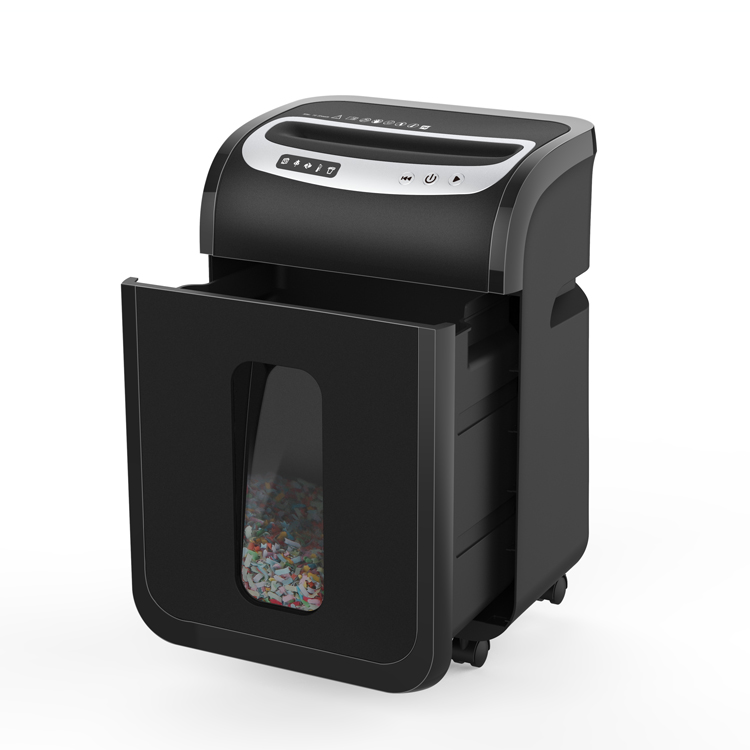
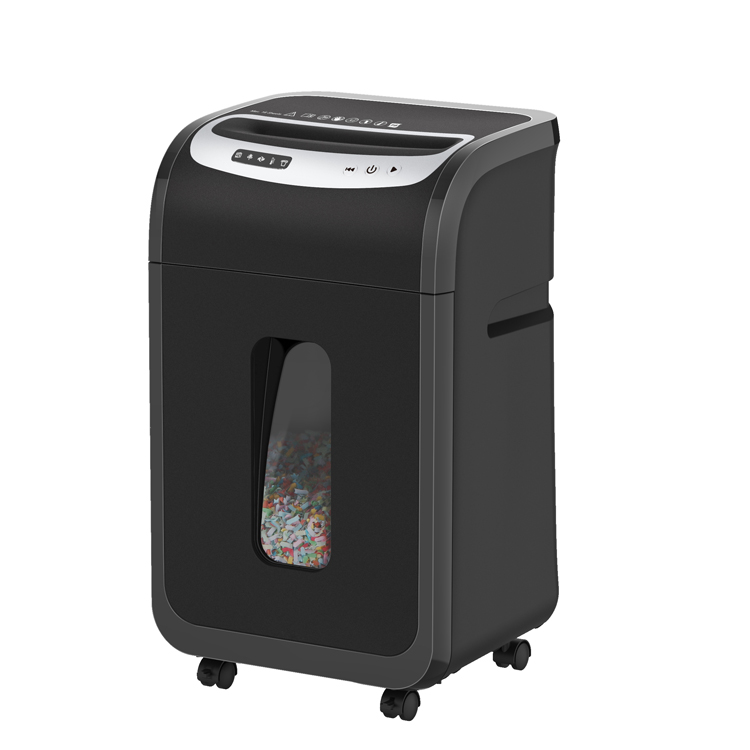
A commercial shredder for office use is a vital investment for businesses aiming to maintain confidentiality and protect sensitive information. Whether it’s a commercial office shredder used in a small office or a larger commercial shredding machine in a high-volume setting, these machines are designed to provide secure and efficient document destruction.
Why Data Protection is Crucial for Businesses
Businesses handle various types of sensitive data that must be kept secure. Improper disposal of confidential documents can result in unauthorized access to this information, potentially leading to identity theft, fraud, and legal violations. For example, customer credit card information, medical records, and employee tax details are highly sensitive and require proper handling to avoid misuse. Without proper protection, this information can easily fall into the wrong hands.
Legal Compliance and Security Requirements
Many industries are governed by strict privacy laws and regulations that dictate how sensitive information should be managed, including how it should be disposed of once it’s no longer needed. Examples of these regulations include:
- HIPAA (Health Insurance Portability and Accountability Act) – This regulation requires healthcare businesses to properly dispose of patient records and other sensitive health information.
- GDPR (General Data Protection Regulation) – This law mandates businesses to protect the personal data of EU citizens and ensure that any sensitive data is securely destroyed when it’s no longer required.
- FACTA (Fair and Accurate Credit Transactions Act) – This U.S. law mandates that businesses destroy any documents containing personal and financial information before disposal to prevent identity theft.
Failure to comply with these regulations can lead to hefty fines and legal consequences. Using a commercial paper shredder can ensure your business remains compliant and secure.
The Role of Commercial Shredders in Protecting Sensitive Information
Protection Against Identity Theft
One of the most significant threats businesses face is identity theft. If personal or financial information is not properly disposed of, it can be accessed and misused by criminals. Shredding sensitive documents helps prevent unauthorized access to customer and employee data, significantly reducing the risk of identity theft.
Maintaining Business Confidentiality
Businesses are not only responsible for protecting personal data but also for safeguarding intellectual property, trade secrets, and other proprietary information. A commercial shredder for office use ensures that any documents containing confidential business strategies, client contracts, and other sensitive data are securely destroyed, maintaining your company’s competitive edge.
Types of Commercial Paper Shredders
Different types of shredders offer varying levels of security, speed, and efficiency. Below is a breakdown of the most common types of commercial office shredders:
Strip-Cut Shredders
How They Work: Strip-cut shredders work by slicing documents into long, thin strips. They are one of the simplest types of shredders available.
Security Level: These offer basic security, as the strips can potentially be reassembled.
Pros:
- Fast and cost-effective
- Suitable for businesses that handle non-sensitive documents
Cons:
- Low security
- Limited ability to prevent identity theft
Cross-Cut Shredders
How They Work: Cross-cut shredders cut documents both vertically and horizontally, resulting in small, confetti-like pieces.
Security Level: These shredders provide a higher level of security compared to strip-cut models, as the smaller pieces are more difficult to reassemble.
Pros:
- Balanced security and speed
- Suitable for medium-security document disposal
Cons:
- Slower than strip-cut shredders
- May require more frequent emptying
Micro-Cut Shredders
How They Work: Micro-cut shredders cut documents into extremely small pieces, offering the highest level of security.
Security Level: These provide the highest level of security, making it virtually impossible for the documents to be reconstructed.
Pros:
- Ideal for businesses that handle highly sensitive data
- Maximum security for confidential documents
Cons:
- Slower shredding speed
- Higher cost
Specialty Shredders
Some businesses may require shredders designed for specific materials, such as optical media (e.g., CDs, DVDs), credit cards, or even cardboard. Commercial shredding machines for these purposes ensure that such materials are disposed of securely and efficiently.
Key Features to Consider When Choosing a Commercial Shredder
Choosing the right commercial shredder for office use requires consideration of various features. The following factors should be prioritized:
| Feature | Description |
|---|---|
| Security Level | Determines the level of protection for sensitive information (DIN ratings). |
| Shredding Volume | How many sheets of paper the shredder can handle at once (e.g., 10-20 sheets). |
| Shredding Speed | The rate at which the shredder processes paper (sheets per minute). |
| Bin Capacity | How much shredded material the bin can hold before it needs to be emptied. |
| Energy Efficiency | Features that help reduce power consumption, such as auto shut-off. |
Security Level (DIN Standard)
The DIN standard is a classification system that rates shredders based on the level of security they provide. For example, a DIN 3 shredder offers basic security, while a DIN 6 shredder is used for highly sensitive documents.
Shredding Volume and Speed
If your business processes a large volume of documents, consider the shredder’s shredding capacity and speed. Commercial shredders come in various models capable of shredding 10, 20, or even more sheets at once. For high-volume environments, a commercial shredding machine with a higher sheet capacity and speed will increase productivity.
Bin Capacity and Maintenance
The bin capacity determines how often the shredder needs to be emptied. A larger bin is ideal for high-volume shredding, while smaller bins may require more frequent maintenance. Consider how much shredding your office does daily and choose a shredder that suits your needs.
Energy Efficiency and Noise Levels
Energy-efficient shredders are designed to consume less power, especially when idle. Additionally, noise levels are an important consideration in office environments. Some commercial office shredders are designed to operate quietly, making them suitable for shared workspaces.
How to Choose the Right Commercial Paper Shredder for Your Business
Choosing the best shredder for your business will depend on several factors, including your company’s document security needs, volume of shredding, and budget. It’s essential to balance security with efficiency. If your business handles highly sensitive data, opt for a micro-cut commercial office shredder. For medium-security needs, a cross-cut shredder might be more appropriate.
Why You Need a Commercial Paper Shredder
Data Security and Compliance
In today’s digital and information-driven world, data security is not just a matter of best practices but also a legal and regulatory obligation for businesses. Handling sensitive information responsibly is crucial to preventing data breaches, identity theft, and financial fraud. The consequences of mishandling personal, financial, or medical data are severe, both in terms of financial penalties and damage to a company’s reputation.
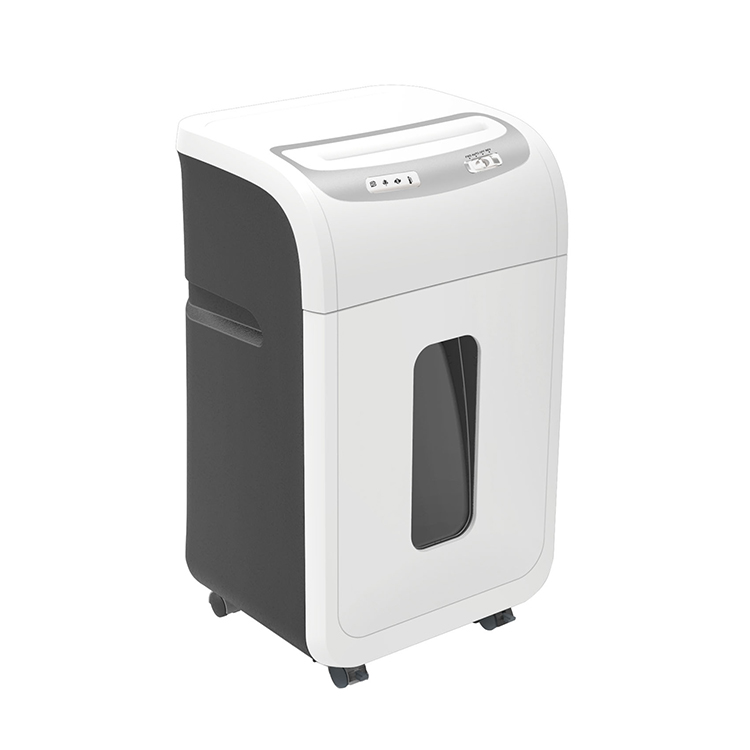
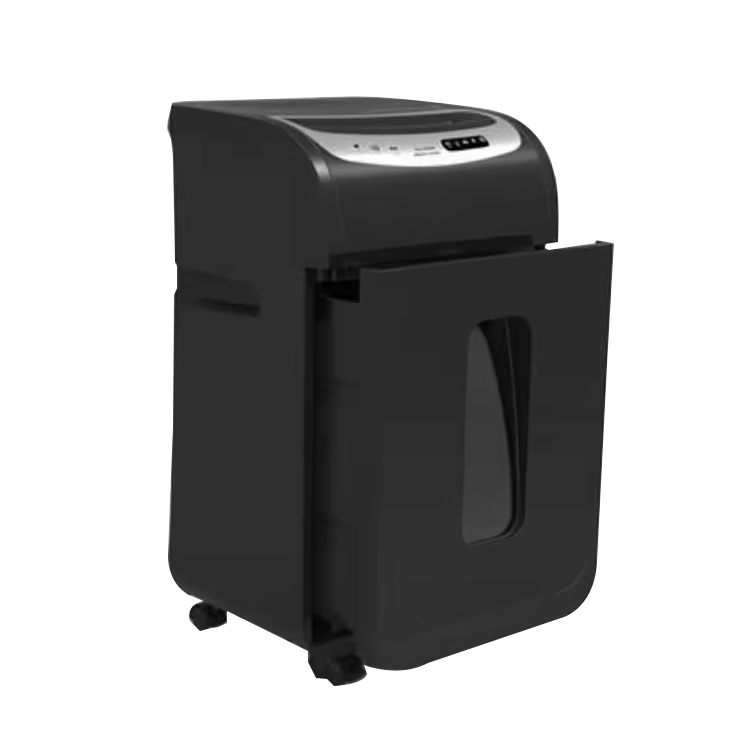
When it comes to properly disposing of confidential documents, a Commercial Paper Shredder is an essential tool for businesses to ensure compliance with various legal requirements. Laws like HIPAA (Health Insurance Portability and Accountability Act), GDPR (General Data Protection Regulation), and FACTA (Fair and Accurate Credit Transactions Act) set strict guidelines for how businesses must handle, store, and destroy sensitive information. Using a commercial shredder for office use is one of the most effective ways to ensure that businesses are meeting these compliance standards.
The Legal Necessity of Secure Document Disposal
Business owners must be aware of the legal ramifications of improper disposal of sensitive documents. Here’s a breakdown of key regulations and how they mandate the destruction of confidential information:
HIPAA (Health Insurance Portability and Accountability Act)
HIPAA is a U.S. regulation that requires healthcare providers, insurance companies, and other related entities to protect the privacy and security of individuals’ health information. This law mandates that health-related records containing personal health information (PHI) be destroyed securely when they are no longer needed. Violating HIPAA’s guidelines can result in substantial fines, criminal penalties, and legal actions.
To comply with HIPAA, healthcare businesses must use secure methods to dispose of paper records containing PHI. A commercial paper shredder that adheres to high security standards ensures that this data is shredded into unreadable pieces, making it impossible to reconstruct.
GDPR (General Data Protection Regulation)
GDPR is a comprehensive data protection law that applies to businesses handling the personal data of residents of the European Union (EU). One of the key requirements under GDPR is that businesses must ensure the secure disposal of personal data when it is no longer needed for the purpose it was collected. Failure to comply with GDPR can result in heavy fines, up to 4% of a business’s global annual turnover.
For GDPR compliance, a commercial shredder for office use must meet certain security standards. This includes shredding data into small pieces, ensuring that unauthorized individuals cannot gain access to private information. The use of commercial shredding machines helps businesses comply with these stringent requirements and avoid penalties.
FACTA (Fair and Accurate Credit Transactions Act)
FACTA mandates that businesses properly dispose of documents containing sensitive financial information to protect against identity theft. This includes documents containing personal identification numbers, credit card details, and other financial data. FACTA’s provisions apply to businesses in a wide range of industries, including retail, banking, healthcare, and more.
Under FACTA, businesses are required to implement practices that prevent unauthorized access to discarded financial documents. A commercial office shredder designed for high-volume use is ideal for destroying large quantities of financial documents. By shredding such materials, businesses mitigate the risks of identity theft and protect both their clients and themselves from financial fraud.
| Regulation | Industry | What Needs to Be Destroyed | Consequences of Non-Compliance |
|---|---|---|---|
| HIPAA | Healthcare & Insurance | Patient health records, personal health information (PHI) | Fines, lawsuits, damage to reputation |
| GDPR | Any business handling EU data | Personal data of EU residents, including contact info, transaction data | Fines up to 4% of annual turnover, reputational damage |
| FACTA | Retail, Banking, Financial | Documents containing personal or financial information | Identity theft, financial loss, regulatory penalties |
Risks of Improper Document Disposal
Improper disposal of sensitive documents can have far-reaching consequences. While most businesses understand the importance of protecting sensitive data during its active lifecycle, many fail to realize that proper disposal is just as crucial. Here’s why:
Identity Theft and Fraud Prevention
When businesses discard documents improperly, whether by simply throwing them in the trash or recycling bin, they risk exposing valuable personal and financial data. A commercial shredder for office ensures that documents are securely destroyed, preventing identity thieves from accessing sensitive information. Even seemingly harmless documents, such as old invoices or employee pay stubs, can contain data that malicious individuals could exploit.
A commercial shredding machine makes it practically impossible for someone to reconstruct sensitive data from shredded paper, thereby significantly reducing the chances of identity theft. These machines typically offer features like high-security cuts (cross-cut or micro-cut) that render the documents unreadable.
Legal Risks and Financial Penalties
Failure to comply with data protection regulations can expose businesses to legal risks. Regulatory bodies are strict about compliance, and the fines for not following proper disposal protocols can be severe. For instance, under GDPR, businesses that fail to adequately protect personal data during disposal can face penalties as high as 20 million euros or 4% of their global turnover, whichever is greater.
Similarly, FACTA penalties for failing to securely destroy financial documents can result in costly fines, which further burden businesses that already deal with sensitive data regularly. Investing in a commercial office shredder that meets industry standards is a simple way to mitigate these risks.
Damage to Reputation
Businesses that suffer from data breaches or legal issues related to improper document disposal often face irreversible damage to their reputation. Trust is a critical element of any business relationship, and clients, customers, and employees expect companies to protect their information. When a business fails to meet compliance standards, it can lose the trust of its clients, resulting in a loss of revenue, customer loyalty, and a tarnished brand image.
How Commercial Paper Shredders Help with Compliance
A commercial paper shredder is more than just a tool for getting rid of old documents—it is a necessary part of a business’s information security infrastructure. Here’s how these machines help businesses remain compliant with legal requirements:
Meeting Security Standards
Most commercial shredders are designed to comply with strict industry standards for data protection. High-security models, such as those used in financial institutions or healthcare organizations, often offer DIN 66399 certification, which ensures the shredder meets international security standards. For GDPR compliance, a shredder with a DIN P-5 or higher security level will provide the necessary level of data destruction.
Handling High Volumes of Sensitive Data
Businesses that handle large amounts of paperwork daily require shredders capable of processing significant volumes. Commercial shredding machines are built to handle heavy workloads, often shredding hundreds of sheets per day without compromising performance. This ensures that businesses can securely destroy documents at a pace that matches their daily operations.
Versatility for Different Document Types
Commercial paper shredders are versatile, handling a variety of materials beyond just paper. For example, some commercial shredders for office use can shred CDs, DVDs, credit cards, and more. This versatility is essential for businesses that deal with various types of sensitive materials and need a comprehensive solution for secure document disposal.
Protection Against Identity Theft
In today’s digital age, data security is paramount, but businesses often overlook the importance of securing physical documents containing sensitive information. Improper disposal of paperwork containing personal or financial details can make businesses vulnerable to identity theft. A commercial paper shredder is an essential tool in safeguarding against this risk, ensuring that confidential documents are completely destroyed and cannot be recovered by unauthorized individuals.
What is Identity Theft?
Identity theft occurs when a person’s personal information, such as their name, address, Social Security number, or financial details, is stolen and used for fraudulent purposes. Criminals often gain access to this sensitive data through various means, including hacking, phishing, or even by going through trash to find improperly disposed documents. For businesses, the risk is compounded by the potential for customer data, financial information, and employee records to be accessed and misused.
Why Is Shredding Important for Preventing Identity Theft?
Shredding ensures that confidential paperwork is rendered unreadable and impossible to reconstruct. Documents containing sensitive personal or financial information, if not properly disposed of, can fall into the wrong hands, leading to identity theft. This is especially critical for businesses that handle customer information, including financial institutions, healthcare providers, and any organization that stores sensitive records.
A commercial office shredder offers businesses the peace of mind that comes with knowing their sensitive documents are securely disposed of. Simply throwing papers in the trash or recycling bin puts both the organization and its clients at risk. With a commercial shredder for office, businesses can ensure that documents are properly destroyed, preventing any possibility of data breaches.
The Role of Commercial Shredders in Identity Theft Prevention
Types of Commercial Shredders
There are several types of commercial shredding machines designed to meet the needs of different organizations. These machines vary in terms of shredding capacity, security levels, and the type of cut they provide.
-
Strip-Cut Shredders: These shredders cut documents into long, thin strips. While they offer basic security, they may not be sufficient for organizations dealing with highly sensitive data.
-
Cross-Cut Shredders: These machines cut documents both vertically and horizontally, creating confetti-like pieces. This provides a higher level of security than strip-cut shredders.
-
Micro-Cut Shredders: For businesses that need the highest level of security, micro-cut shredders reduce documents into tiny particles that are almost impossible to reassemble. These are often used by government agencies, law firms, and financial institutions that handle highly sensitive data.
Why Invest in a Commercial Paper Shredder?
Investing in a commercial paper shredder is a crucial step in ensuring the safety and privacy of both the organization and its clients. Here are some reasons why businesses should consider using commercial shredders:
-
Legal Compliance: Many industries are required to follow data protection laws such as GDPR (General Data Protection Regulation), HIPAA (Health Insurance Portability and Accountability Act), and FACTA (Fair and Accurate Credit Transactions Act). These laws mandate that businesses properly dispose of any documents containing personal or sensitive information. Failure to comply with these regulations can lead to hefty fines and legal repercussions.
-
Protecting Client Trust: Clients trust businesses with their personal and financial information. If sensitive data is compromised due to improper document disposal, it can lead to a loss of client trust and damage to the company’s reputation. A commercial office shredder helps businesses maintain client confidence by ensuring that confidential documents are disposed of securely.
-
Cost-Effective Data Protection: While some businesses may consider outsourcing their shredding needs or relying on less secure methods of disposal, investing in a commercial shredder for office is a cost-effective long-term solution. It reduces the risk of a data breach, which can be far more expensive than investing in a high-quality commercial shredder.
Choosing the Right Commercial Shredder
When selecting a commercial shredding machine, businesses need to consider several factors:
-
Shredding Capacity: Businesses should choose a machine that meets their volume needs. A busy office may require a shredder capable of handling large quantities of documents quickly and efficiently.
-
Security Level: Depending on the sensitivity of the documents being shredded, businesses may need a shredder that offers high-security features. Micro-cut shredders are the best option for organizations handling highly sensitive or confidential data.
-
Size and Portability: Commercial shredders come in different sizes, from compact units ideal for small offices to larger machines suitable for high-volume shredding. Businesses should select a shredder that fits their office space and shredding requirements.
-
Ease of Use: A shredder should be easy to operate, with features like automatic feed, jam protection, and simple controls.
Comparison of Commercial Shredding Machines
| Feature | Strip-Cut Shredder | Cross-Cut Shredder | Micro-Cut Shredder |
|---|---|---|---|
| Shred Size | Long strips | Small confetti-like pieces | Tiny particles |
| Security Level | Low | Medium | High |
| Speed | Fast | Moderate | Slow |
| Ideal For | Basic office use | Standard office use | Sensitive data |
| Price Range | Low | Medium | High |
How to Use a Commercial Shredder Safely
When using a commercial paper shredder, it’s essential to follow safety guidelines to prevent accidents or damage to the shredder. Here are a few tips:
-
Avoid Overloading: Do not exceed the shredder’s recommended capacity to avoid jams and ensure efficient operation.
-
Shred Paper Clips and Staples: Many commercial shredders can handle paper clips and staples, which can save time in preparing documents for shredding.
-
Regular Maintenance: Clean the shredder regularly and lubricate the blades as recommended to keep it in good working condition.
-
Secure Disposal: After shredding, ensure the shredded material is disposed of securely, either through a commercial waste disposal service or in a locked container to prevent any possibility of reassembly.
Maintaining Confidentiality
In the competitive world of business, maintaining confidentiality is critical. Whether it involves intellectual property, trade secrets, or proprietary business information, keeping sensitive documents secure is essential for safeguarding a company’s future. Improperly disposed of documents containing confidential information could be exploited by competitors or malicious actors, leading to serious consequences. Using a commercial paper shredder is one of the most effective ways to prevent unauthorized access to this sensitive data.
Why Confidentiality Matters for Businesses
Businesses across industries rely on confidential information to maintain a competitive edge, serve clients effectively, and achieve long-term success. Intellectual property, such as patents and designs, trade secrets, proprietary business strategies, and client data, all fall under the category of confidential information. If this information is disclosed or stolen, it could be misused by competitors, leading to loss of market position or even financial damage.
Businesses that fail to protect this information risk not only their own financial health but also their reputation. Clients and partners trust companies to keep their data safe, and a breach of confidentiality can lead to the erosion of that trust. Maintaining confidentiality, therefore, is not just a legal obligation but also a fundamental part of building and maintaining strong business relationships.
The Role of Shredding in Protecting Confidentiality
Shredding Documents: A Simple yet Effective Solution
One of the simplest and most effective ways to maintain confidentiality is by properly disposing of sensitive documents. Using a commercial office shredder to destroy paperwork containing confidential information ensures that it cannot be retrieved or reconstructed. Whether it’s business contracts, customer records, or internal memos, shredding documents ensures that no one can access them after disposal.
Simply throwing away sensitive documents in a trash bin or recycling bin leaves them vulnerable to theft. A commercial paper shredder is the most reliable solution for protecting your business’s intellectual property and proprietary information. Shredding confidential documents eliminates any risk of them being accessed, ensuring that competitors or criminals cannot take advantage of this valuable data.
How Commercial Shredders Provide Security
A commercial shredding machine offers multiple layers of security for businesses, depending on the shredding mechanism used. These machines are specifically designed to handle large volumes of paper, providing a quick and efficient way to destroy sensitive materials. Depending on the level of security needed, businesses can choose from various shredding styles:
-
Strip-Cut Shredders: These are the most basic type of shredders. They cut paper into long, vertical strips. While not the most secure option, they can be useful for general office use where sensitive data is not a concern.
-
Cross-Cut Shredders: These shredders provide a higher level of security. They cut paper both vertically and horizontally, creating small pieces that are harder to reassemble. This is ideal for businesses dealing with moderately sensitive data.
-
Micro-Cut Shredders: For companies with highly sensitive data, micro-cut shredders are the best choice. They shred paper into tiny particles, making it virtually impossible to reconstruct any document. This type of shredder is particularly important for industries that handle intellectual property, legal documents, or client financial records.
Why Invest in a Commercial Paper Shredder?
Protecting Intellectual Property and Trade Secrets
Intellectual property (IP) and trade secrets are often a company’s most valuable assets. If competitors gain access to this information, they could use it to copy products, strategies, or services, undermining the original company’s market advantage. A commercial paper shredder helps protect these assets by ensuring that any documents containing proprietary information are securely destroyed.
For instance, if a company is in the process of developing a new product, any documents related to the design, materials, or research should be shredded once they are no longer needed. Similarly, trade secrets related to business strategies, supplier information, or internal processes should never be left exposed. Using a commercial office shredder ensures that these confidential materials are disposed of securely.
Legal and Regulatory Compliance
Many industries are subject to legal requirements regarding data protection and document disposal. For example, financial institutions must comply with laws that mandate the secure destruction of client information. Similarly, healthcare providers must follow strict privacy regulations such as HIPAA to protect patient records. Failing to properly dispose of sensitive documents can result in costly legal fines and damage to the business’s reputation.
Using a commercial shredder for office not only helps companies comply with these regulations but also demonstrates a commitment to safeguarding client and business data.
Building Trust with Clients and Partners
Maintaining confidentiality is a cornerstone of trust in any business relationship. When clients, partners, or vendors entrust sensitive information to a business, they expect it to be protected. A company that is diligent about properly disposing of confidential documents signals to its stakeholders that it takes security seriously.
In an increasingly competitive market, the ability to demonstrate high standards of confidentiality can be a deciding factor when clients choose which businesses to partner with. Investing in commercial shredding machines enhances a company’s reputation and helps build long-lasting relationships based on trust and reliability.
Comparison of Shredding Methods
| Feature | Strip-Cut Shredder | Cross-Cut Shredder | Micro-Cut Shredder |
|---|---|---|---|
| Shred Size | Long strips | Small confetti-like pieces | Tiny particles |
| Security Level | Low | Medium | High |
| Ideal for | General office use | Sensitive office documents | Highly sensitive data |
| Speed | Fast | Moderate | Slow |
| Suitable For | Low-security information | Business contracts, memos | Intellectual property, legal documents |
Choosing the Right Commercial Shredder
When deciding on a commercial shredding machine, businesses need to consider several factors to choose the best model for their needs:
-
Volume of Shredding: If your business generates a lot of paperwork, it’s essential to choose a shredder that can handle a high volume of documents without overheating or causing jams.
-
Security Level: Depending on the type of information being shredded, choose the shredder that offers an appropriate level of security. For highly sensitive documents like intellectual property or client contracts, a micro-cut shredder is recommended.
-
Ease of Use: The shredder should be easy to operate. Look for features such as automatic paper feeding, anti-jam mechanisms, and user-friendly controls.
-
Maintenance Requirements: Regular maintenance ensures the shredder continues to perform at its best. Choose a model that is easy to clean and maintain, and consider one that provides alerts for when it needs servicing.
-
Size and Portability: Commercial shredders come in various sizes. Consider your office space and how often you will need to use the shredder to determine whether a compact or larger model is more appropriate.
Types of Commercial Paper Shredders
In any business that handles sensitive information, document security is of the utmost importance. One of the most effective ways to protect confidential data from falling into the wrong hands is through the use of a commercial paper shredder. Whether it’s protecting client information, financial records, or proprietary business data, choosing the right type of shredder can make a significant difference in your document security efforts.
Strip-Cut Shredders
Strip-cut shredders are one of the most common types of shredders used in commercial environments. These machines work by cutting documents into long, narrow strips, making them faster than other shredding options. While they are well-suited for general office use, they are not ideal for handling sensitive or confidential information.
How They Work
A strip-cut shredder works by feeding a paper document through a set of blades that slice it into parallel strips. The result is a series of long, narrow pieces of paper, which can vary in width depending on the shredder’s specifications. This type of shredder is widely used in non-sensitive office environments for daily paper disposal.
Pros:
- Fast and Cost-Effective: Strip-cut shredders are often the fastest and most affordable shredders available. They can handle large volumes of paper quickly, making them a good option for businesses with low-security document disposal needs.
- Ideal for Low-Security Shredding: They work well for disposing of non-sensitive documents like routine correspondence, printed emails, and outdated reports.
Cons:
- Low Security: The main drawback of strip-cut shredders is their low security. Since the paper is cut into long strips, it’s possible for these strips to be reassembled with enough time and effort, which poses a risk for businesses that handle sensitive data.
- Limited Protection Against Identity Theft: Because the strips can be pieced together, strip-cut shredders are not recommended for businesses concerned with protecting client information or trade secrets.
Cross-Cut Shredders
Cross-cut shredders offer an intermediate level of security compared to strip-cut shredders. These shredders cut paper both vertically and horizontally, producing small, confetti-like pieces. While they are slower than strip-cut shredders, they provide a much higher level of security, making them a popular choice for businesses that handle moderately sensitive information.
How They Work
A cross-cut shredder works by passing paper through a set of blades that cut it both vertically and horizontally, resulting in smaller, more secure pieces. These pieces are harder to reassemble than the strips produced by strip-cut shredders, offering better protection for confidential documents.
Pros:
- Balanced Security and Speed: Cross-cut shredders strike a balance between security and shredding speed. They are more secure than strip-cut shredders while still being fast enough for moderate shredding volumes.
- More Difficult to Reassemble: The shredded pieces are smaller and more irregular, making it significantly harder to reconstruct the documents, offering a better level of protection.
- Cost-Effective for Moderate Security: Cross-cut shredders are more affordable than micro-cut shredders, making them a good choice for businesses that need decent security at a reasonable cost.
Cons:
- Slower Than Strip-Cut Shredders: While cross-cut shredders are faster than micro-cut shredders, they still operate slower than strip-cut models. Businesses with a high shredding volume may find this a limitation.
- Frequent Emptying: Because the shredded pieces are smaller, the collection bin tends to fill up more quickly, requiring more frequent emptying.
Micro-Cut Shredders
For businesses handling highly sensitive or confidential information, micro-cut shredders are the best option. These shredders provide the highest level of security by cutting paper into tiny particles, making it virtually impossible to reconstruct any shredded documents. They are commonly used by industries such as finance, healthcare, and legal services, where document confidentiality is paramount.
How They Work
A micro-cut shredder works by slicing documents into extremely small, confetti-like particles, which are typically smaller than those produced by cross-cut shredders. The result is a higher level of security, making it nearly impossible for the shredded paper to be reconstructed.
Pros:
- High Security: Micro-cut shredders offer the highest level of document security, rendering the shredded paper nearly impossible to piece back together. This is crucial for businesses that handle highly sensitive data.
- Ideal for Sensitive Data: These shredders are particularly well-suited for businesses in industries that deal with financial records, healthcare data, and legal documents, where confidentiality is crucial.
Cons:
- Slower Shredding Process: Micro-cut shredders take longer to shred documents because they create much smaller pieces than other shredders. This can be a disadvantage for businesses with high-volume shredding needs.
- Higher Cost: Micro-cut shredders are more expensive than both strip-cut and cross-cut shredders due to the increased level of security they provide. Businesses may need to weigh the cost against the need for higher security.
Other Types of Commercial Shredders
In addition to the basic types of shredders, there are also specialty shredders designed to handle specific materials, such as optical media (CDs, DVDs), credit cards, or even cardboard. These machines are ideal for businesses that need to destroy materials other than paper, providing secure disposal for a variety of business-related items.
Optical Media Shredders
These shredders are designed specifically for destroying optical media, such as CDs, DVDs, and Blu-ray discs. Since these materials are not easily shredded by traditional paper shredders, optical media shredders use specialized blades and technology to break them down into small, unreadable pieces.
Credit Card Shredders
Many businesses handle sensitive client data stored on credit cards. A commercial office shredder that can handle credit cards ensures that these items are securely disposed of. Credit card shredders are built to handle the harder materials and offer protection against data theft.
Cardboard Shredders
For businesses that receive or generate a lot of packaging materials, cardboard shredders are designed to break down cardboard into small pieces for easier disposal or recycling. These machines are ideal for businesses looking to manage their waste more efficiently.
Comparison of Shredder Types
| Feature | Strip-Cut Shredder | Cross-Cut Shredder | Micro-Cut Shredder | Specialty Shredders |
|---|---|---|---|---|
| Shred Size | Long strips | Small confetti-like pieces | Tiny particles | Varies (CDs, credit cards, etc.) |
| Security Level | Low | Medium | High | Varies based on material |
| Speed | Fast | Moderate | Slow | Varies based on material |
| Ideal for | Low-security documents | Moderately sensitive documents | Highly sensitive data | Optical media, credit cards, cardboard |
| Price Range | Low | Medium | High | Varies based on material |
Key Features to Consider in a Commercial Paper Shredder
When selecting a commercial paper shredder for your business, it’s essential to consider a variety of features that ensure you get the most efficient, secure, and cost-effective solution for your document disposal needs. From security levels to energy efficiency, the right shredder can significantly impact your workflow, productivity, and data protection.
Security Level (DIN Standard)
One of the most important factors when choosing a commercial office shredder is its security level. Shredders are rated according to the DIN (Deutsche Industrie Norm) standard, which measures how securely the shredder destroys documents. The higher the DIN level, the more secure the shredder.
Understanding DIN Ratings
The DIN standard ranges from DIN 1 to DIN 7, with each level corresponding to a specific shred size and security level. Here’s a quick overview:
- DIN 1: Basic level, suitable for general, non-sensitive documents. It cuts paper into large strips (approx. 12mm wide).
- DIN 3: Offers medium-level security with strips around 6mm wide. It is ideal for documents containing personal information or general business correspondence.
- DIN 5: Provides high security with paper shredded into small cross-cut pieces. This level is suitable for businesses dealing with moderately sensitive information like customer data or internal communications.
- DIN 6: Even higher security, often used for confidential business or financial documents, where the paper is shredded into very small pieces.
- DIN 7: The highest security level, suitable for top-secret or highly classified documents, often used in government and defense industries.
The higher the DIN level, the more secure the shredder, making it a critical feature for businesses that handle confidential or proprietary data.
Shredding Volume and Capacity
Consider the volume of documents your business needs to shred on a daily or weekly basis. Some commercial shredding machines are designed for heavy-duty use and can handle high volumes of paper at once, while others are better suited for lighter tasks.
Determining Your Shredding Needs
- Small-Scale Needs: If your business only generates a small amount of paperwork each day, a shredder with a lower shredding capacity will be sufficient. These models can handle anywhere from 10 to 20 sheets at a time.
- High-Volume Needs: For businesses that require frequent or high-volume shredding, look for a commercial shredder for office that can process 30+ sheets at a time. Some high-capacity models can handle up to 100 sheets or more per pass, reducing the need for constant loading and improving overall efficiency.
A shredder with a higher volume capacity will help streamline your workflow and avoid bottlenecks, especially in larger office environments or organizations that handle sensitive customer data.
Shredding Speed
In high-volume environments, speed is essential to maintain productivity. A commercial office shredder with fast shredding capabilities ensures that your team doesn’t experience unnecessary delays when disposing of documents.
Shred Speed Measurement
Shred speed is typically measured in sheets per minute (SPM). High-end commercial shredding machines can process anywhere from 20 to 100 sheets per minute, depending on the model and shredder type.
- Low-Speed Shredders: Suitable for small offices with moderate shredding needs.
- High-Speed Shredders: Ideal for large organizations that require fast document disposal to keep operations running smoothly. These models can save valuable time and help prevent a backlog of paper.
Importance of Speed in Large Offices
If your business regularly handles large volumes of sensitive materials, choosing a shredder with a higher shredding speed will enhance overall productivity. This feature is particularly important in industries like healthcare, law, or finance, where fast document disposal is crucial.
Bin Capacity
The size of the shredder’s bin is another important factor to consider. The larger the bin, the less frequently you’ll need to empty it, which reduces interruptions to your workflow.
Considerations for Bin Size
- Small Bins: Shredders with smaller bins are typically more compact, making them ideal for offices with limited space or lower shredding volumes. These bins are easier to handle and empty but will need more frequent attention.
- Large Bins: Larger bins can hold more shredded paper, reducing the need for frequent emptying. However, these models tend to be bulkier and may not fit well in smaller office spaces. Larger bins are suitable for businesses that deal with high-volume shredding, such as law firms or financial institutions.
Automatic Features
Modern commercial shredding machines come equipped with various automatic features that can significantly enhance efficiency. These features help reduce the need for manual operation, save time, and improve workflow.
Common Automatic Features
- Auto-Start and Auto-Stop: These features automatically start the shredding process when paper is inserted and stop when the shredding is complete, ensuring that the shredder operates without constant monitoring.
- Auto-Reverse: If the shredder detects a paper jam, it will automatically reverse the motor to clear the jam and prevent damage. This is a valuable feature for maintaining the longevity and efficiency of the shredder.
- Bin Full Indicators: Some shredders are equipped with a sensor that alerts you when the bin is full, reducing the risk of overflow and unnecessary stoppages.
Noise Level
In office environments, noise can be a significant factor, particularly if the shredder is located in a shared workspace. Many commercial shredding machines are designed to minimize noise while still maintaining powerful shredding performance.
- Quiet Operation: Look for shredders labeled as “quiet” or “low-noise,” especially if your office has an open-plan layout. These shredders are designed to minimize disruptions and allow staff to work comfortably while the shredder operates.
- Noise Reduction Technology: Some models incorporate noise-reduction technologies that ensure quieter operation, making them a better choice for businesses concerned about creating a less disruptive environment.
Jam Protection
A shredder with jam protection features can save time and money by automatically reversing the motor if it detects a paper jam. This feature helps prevent overheating, reduces the likelihood of damage, and improves the overall performance of the shredder.
Benefits of Jam Protection
- Reduced Maintenance: Jam protection ensures that the shredder continues operating smoothly, reducing the likelihood of mechanical issues that require costly repairs.
- Increased Efficiency: Automatic jam clearing improves the shredder’s uptime, ensuring that operations aren’t disrupted by paper jams.
Energy Efficiency
As businesses look to reduce costs and environmental impact, energy efficiency becomes an important factor in the selection of shredders. Many modern commercial paper shredders feature energy-saving modes that help conserve power.
Energy-Saving Features
- Sleep Mode: Some shredders automatically enter a low-power sleep mode after a period of inactivity, reducing energy consumption.
- Automatic Shut-Off: Certain models automatically turn off after a set period of inactivity, helping to save electricity and extend the shredder’s lifespan.
Comparison of Shredder Features
| Feature | Strip-Cut Shredder | Cross-Cut Shredder | Micro-Cut Shredder | Specialty Shredders |
|---|---|---|---|---|
| Security Level | Low | Medium | High | Varies based on material |
| Shredding Volume | Low | Medium | High | Varies by material |
| Shredding Speed (SPM) | 20–40 sheets/min | 20–40 sheets/min | 10–20 sheets/min | Varies by material |
| Bin Capacity | Small | Medium | Large | Varies |
| Noise Level | Moderate | Low | Low | Varies |
| Jam Protection | Basic | Moderate | Advanced | Advanced |
| Energy Efficiency | Low | Moderate | High | Varies |
How to Choose the Right Shredder for Your Business
When choosing a commercial paper shredder for your business, it’s crucial to select a model that meets both your security needs and operational requirements. With a wide variety of commercial shredding machines available, the process can feel overwhelming. However, by assessing your needs, setting a budget, and comparing models, you can make an informed decision that ensures your business is equipped with the right shredder to handle document disposal efficiently and securely.
Assess Your Needs
The first step in choosing the right commercial office shredder is evaluating the specific needs of your business. Consider both the volume of paper you need to shred and the level of security required based on the nature of the documents you handle.
Shredding Volume
Start by determining how much paper your business generates on a daily, weekly, or monthly basis. If your office only handles a small volume of documents, a smaller, less powerful shredder may suffice. However, for businesses that generate large volumes of sensitive or confidential documents, investing in a high-capacity commercial shredding machine is a smart move.
- Low Volume Needs: If you’re in a small office or only need to shred documents occasionally, a shredder with a lower sheet capacity (10-20 sheets) may be sufficient.
- High Volume Needs: Larger businesses or industries like finance, healthcare, or law require shredders capable of handling larger volumes (up to 100 sheets or more). These shredders allow for continuous use, reducing downtime and boosting overall productivity.
Level of Security
The level of security required for document shredding depends largely on the type of information being disposed of. Highly sensitive documents such as medical records, financial statements, and client contracts require a higher level of shredding security. Understanding the sensitivity of your documents is key to selecting the right shredder.
- Basic Security (DIN Level 1-3): Suitable for businesses that handle general documents like internal memos or correspondence.
- Moderate Security (DIN Level 4-5): Ideal for businesses that deal with moderately sensitive documents like employee records, basic customer data, or business contracts.
- High Security (DIN Level 6-7): Best for industries such as healthcare, finance, and legal services, where client confidentiality and protection of proprietary data are critical. A micro-cut shredder offers the highest level of security, ensuring that shredded material cannot be reconstructed.
Set a Budget
When choosing a commercial paper shredder, it’s important to consider your budget. Shredders come in a wide range of price points, and while it may be tempting to opt for the least expensive option, the right shredder should provide the best value for your needs, considering both initial cost and long-term maintenance.
Initial Price vs. Total Cost of Ownership
-
Initial Price: Commercial shredders with advanced features such as higher sheet capacities, better security levels, and faster shredding speeds tend to come with a higher upfront cost. These machines are designed to withstand heavy use, making them a good investment for businesses with high shredding volumes.
-
Maintenance and Repair Costs: In addition to the initial price, consider the ongoing costs of maintaining the shredder. This includes regular maintenance, lubricating blades, replacing parts (such as bins or motors), and potential repairs. Some shredders come with warranties that cover repairs, but make sure to read the fine print.
-
Energy Efficiency: While not always a top priority, choosing an energy-efficient commercial shredder can save money in the long term by reducing electricity costs. Look for shredders with sleep modes that reduce power consumption during idle times.
Balancing Budget and Features
When setting a budget, make sure you strike a balance between the shredder’s price and the features that are most important for your business. For example, if you don’t need the highest level of security, a cross-cut shredder may offer the best value at a lower price point compared to a micro-cut shredder.
Read Reviews and Compare Models
Before making your purchase, take time to read reviews and compare models from reputable brands. Feedback from other users can provide valuable insights into the shredder’s performance, durability, and reliability. This is particularly important for commercial shredding machines, which will likely be used frequently and must stand up to heavy-duty use.
User Feedback
-
Performance: Look for reviews that discuss how well the shredder performs under different conditions. Does it jam frequently? How well does it handle high-volume shredding?
-
Durability: A shredder that breaks down frequently can lead to downtime and additional repair costs. Reviews from long-term users can give you a sense of how durable and reliable a shredder is over time.
-
Ease of Use: Many users highlight the ease of use in their reviews. A shredder with user-friendly controls, an easy-to-empty bin, and features like auto-reverse and auto-stop can make your life easier and improve efficiency.
Certifications and Standards
When shopping for a commercial office shredder, look for models that meet industry certifications. For example:
- ISO Standards: Shredders that meet ISO certifications ensure that the manufacturer follows rigorous quality control standards.
- Compliance with Privacy Regulations: Many shredders comply with legal requirements such as GDPR (General Data Protection Regulation) or HIPAA (Health Insurance Portability and Accountability Act) for industries that handle sensitive personal data. Be sure the shredder you choose complies with the relevant regulations for your industry.
Comparison of Shredder Features
| Feature | Low-Volume Use | Moderate-Volume Use | High-Volume Use | High-Security Use |
|---|---|---|---|---|
| Security Level | DIN 1-3 | DIN 4-5 | DIN 5-6 | DIN 6-7 |
| Shredding Speed (SPM) | 10–20 sheets/min | 20–50 sheets/min | 50–100 sheets/min | 10–20 sheets/min |
| Bin Capacity | Small (10–20L) | Medium (20–40L) | Large (40–80L) | Medium to Large |
| Ideal for | General office documents | Customer data, internal memos | High-volume documents | Confidential/legal data |
| Price Range | $100–$300 | $300–$800 | $800–$2,000 | $1,500–$5,000 |
| Energy Efficiency | Low | Moderate | High | High |
Maintenance Tips for Commercial Paper Shredders
To ensure that your commercial paper shredder performs optimally over the long term, regular maintenance is essential. Proper care helps extend the life of the shredder, improve efficiency, and minimize the risk of common issues such as paper jams or motor failure.
Oiling the Blades
One of the most important maintenance tasks for a commercial office shredder is keeping the blades lubricated. Regular oiling helps prevent the blades from becoming dull or damaged, ensuring that your shredder continues to operate efficiently.
Why Oiling Is Important
Blades that are not properly oiled will start to lose their sharpness, and the shredder may struggle to cut through paper effectively. Additionally, the lack of lubrication can cause increased friction, which can lead to overheating or damage to the motor. Proper lubrication ensures smooth operation, reduces the wear and tear on components, and prolongs the life of your shredder.
How to Oil the Blades
-
Shredder Oil: Use a high-quality shredder oil designed for your specific model. Shredder oil comes in liquid form or as lubricating sheets. Avoid using household oils, as they can cause the paper to stick to the blades and affect performance.
-
Lubricating Sheets: Another option is to use lubricating sheets, which are specially designed to apply oil evenly across the blades as they pass through the shredder. These sheets are easy to use and a good option for businesses that want to avoid spills or messes.
Frequency of Oiling
To keep your commercial paper shredder in good working condition, oil the blades at least once a month, or more frequently if your shredder is used heavily. If your shredder is high-capacity and processes large volumes of paper daily, consider oiling the blades every few days or after every major shredding session.
Emptying the Bin Regularly
Proper bin management is an important part of shredder maintenance. Overfilled bins can result in jams and make the shredding process slower and less efficient.
Why Emptying the Bin Is Essential
- Prevents Overloading: If the bin is too full, the shredded paper can back up and cause the shredder to jam, which can be frustrating and time-consuming to fix.
- Improves Efficiency: An overstuffed bin can impede the shredding process. Emptying the bin regularly ensures the shredder operates at maximum efficiency and avoids unnecessary slowdowns.
How Often Should You Empty the Bin?
- Low-Volume Use: If your shredder handles a moderate amount of paper, empty the bin when it reaches about three-quarters full. This will allow the shredder to function without interruptions.
- High-Volume Use: For businesses with high shredding demands, the bin may need to be emptied more frequently. Check the bin after every shredding session or when you notice a slowdown in performance.
Signs That the Bin Needs Emptying
- Paper begins to pile up at the top of the bin or spills out onto the floor.
- The shredder slows down or stops processing paper, even though it hasn’t reached its full capacity.
- The shredder makes unusual noises, indicating that paper is getting stuck or jammed.
Avoiding Overloading
One of the most common causes of paper jams and shredder damage is overloading. Overloading occurs when too many sheets of paper are fed into the shredder at once, exceeding its capacity.
Why Overloading Can Be Harmful
- Damage to Blades: Overloading can cause the blades to become dull or even bent, reducing the effectiveness of the shredder. This can lead to costly repairs or even a replacement.
- Motor Overload: Feeding too many sheets at once can cause the motor to overheat, leading to failure or excessive wear.
- Paper Jams: Overloading is a primary cause of paper jams, which can slow down productivity and increase the need for maintenance.
How to Prevent Overloading
-
Know Your Shredder’s Capacity: Always refer to your shredder’s user manual for the maximum paper capacity per pass. Most commercial shredding machines will specify the number of sheets they can handle at once, typically between 10-100 sheets.
-
Shred in Batches: For high-volume shredding, break your paper into smaller batches. If your shredder can handle 20 sheets, try feeding it 15 sheets at a time for smoother operation.
-
Monitor Paper Size: Ensure that the paper you feed into the shredder is standard size. Non-standard paper sizes or materials (like cardboard or laminated paper) can also cause jams and strain the shredder’s components.
Troubleshooting Common Issues
Despite regular maintenance, issues such as paper jams, overheating, or motor failure can still occur with commercial office shredders. It’s important to familiarize yourself with basic troubleshooting techniques to avoid costly repairs or downtime.
Common Issues and How to Fix Them
-
Paper Jams: Paper jams are a common problem, especially in commercial shredding machines used for high-volume shredding.
- How to Fix: Turn off the shredder, unplug it, and carefully remove any stuck paper. Use the reverse function to help clear the jam. If the paper is tightly jammed, gently pull it out using both hands, taking care not to damage the blades.
- Preventing Future Jams: Avoid overloading the shredder and ensure that the paper is free of staples or paper clips, as these can cause jams.
-
Overheating: If your shredder overheats, it may stop working temporarily to prevent damage.
- How to Fix: Allow the shredder to cool down for 20-30 minutes. Check the motor and the bin for any blockages, as these can contribute to overheating.
- Preventing Overheating: Always follow the manufacturer’s recommended shredding capacity. If your shredder is in a high-usage environment, consider investing in a shredder with a higher cooling capability.
-
Motor Failure: If the shredder motor isn’t working or is making unusual noises, it may be a sign of internal damage.
- How to Fix: Check the user manual for troubleshooting tips. If the motor is failing, contact a professional technician for repairs.
- Preventing Motor Damage: Avoid overloading the shredder and ensure the machine is turned off during long periods of inactivity. Some commercial paper shredders have an automatic power-off feature to prevent motor strain.
Common Shredder Issues and Solutions
| Issue | Cause | Solution | Preventive Measure |
|---|---|---|---|
| Paper Jams | Overloading, staples, or paper clips | Reverse the shredder and remove stuck paper | Avoid overloading, remove staples/paper clips |
| Overheating | Overuse, insufficient cooling | Turn off and let it cool down | Limit shredding time, ensure proper ventilation |
| Motor Failure | Excessive strain, overload | Contact technician for repairs | Follow capacity guidelines, avoid overloading |
| Poor Shredding Quality | Dull blades or lack of oil | Oil the blades, clean the shredder | Regular oiling, clean regularly |
FAQ
1. How often should I oil my commercial paper shredder?
It is recommended to oil the blades of your commercial shredder for office at least once a month or more frequently if the shredder is used heavily. If you are using the shredder daily for high-volume tasks, consider oiling the blades every few days or after every major shredding session.
2. What type of oil should I use for my commercial office shredder?
Always use shredder oil or lubricating sheets specifically designed for paper shredders. Avoid using household oils like vegetable oil or motor oil, as they can clog the blades or attract dust and debris, affecting shredder performance.
3. What should I do if my shredder jams?
If your commercial shredding machine jams, turn it off and unplug it before attempting to clear the jam. Use the reverse function to move the paper back, and gently remove any stuck paper. Always check for paper clips or staples, as they can contribute to paper jams.
4. How can I prevent my shredder from overheating?
To prevent overheating, ensure you do not exceed the shredder’s maximum paper capacity and avoid long continuous shredding sessions. Allow the shredder to cool down after a few minutes of use, especially in high-volume environments.
5. How often should I empty the bin?
You should empty the bin of your commercial office shredder when it reaches about three-quarters full. For high-volume shredding, check and empty the bin more frequently to prevent jams and maintain shredder performance.
6. What are common issues with commercial shredders, and how can I fix them?
Common issues include paper jams, overheating, and motor failure. To fix these, refer to the troubleshooting section in your user manual. Always follow the recommended shredding capacity and ensure the shredder is off and unplugged before attempting to clear any jams or resolve motor issues.
Related References
-
National Security Agency (NSA) - Data Destruction Guidelines
The NSA provides comprehensive guidelines for secure data destruction, which includes the recommended shredder security levels for different types of documents, particularly for highly confidential materials.
Source: NSA/CSS Specification 04-02, “National Industrial Security Program Operating Manual (NISPOM)” -
Shredder Manufacturer’s Manual
For specific maintenance tips, always refer to the manufacturer’s user manual. Each commercial paper shredder may have particular care instructions tailored to its unique features and specifications.
Source: Shredder manuals for top brands like Fellowes, HSM, and Bonsaii -
ISO/IEC 21964 - Information Technology - Secure Shredding Standards
This ISO standard provides guidance on secure shredding and the technical specifications that commercial shredding machines must meet to be considered suitable for certain security classifications.
Source: ISO/IEC 21964:2017, “Information Technology – Secure Shredding Standards” -
American National Standards Institute (ANSI) - Shredder Safety and Performance
ANSI standards cover the performance, safety, and durability of paper shredders, providing essential information for businesses to choose shredders that align with their security and operational needs.
Source: ANSI/ASTM D5316-16, “Standard Guide for Shredding Equipment”



-
 Kaifat Group, No.599, Qiming Road, Yinzhou Incubation, Ningbo, China
-
 +86-574-55665196
-
 [email protected]
