
 English
 русский
 Español
 Deutsch
 عربى
عربى
 0
0

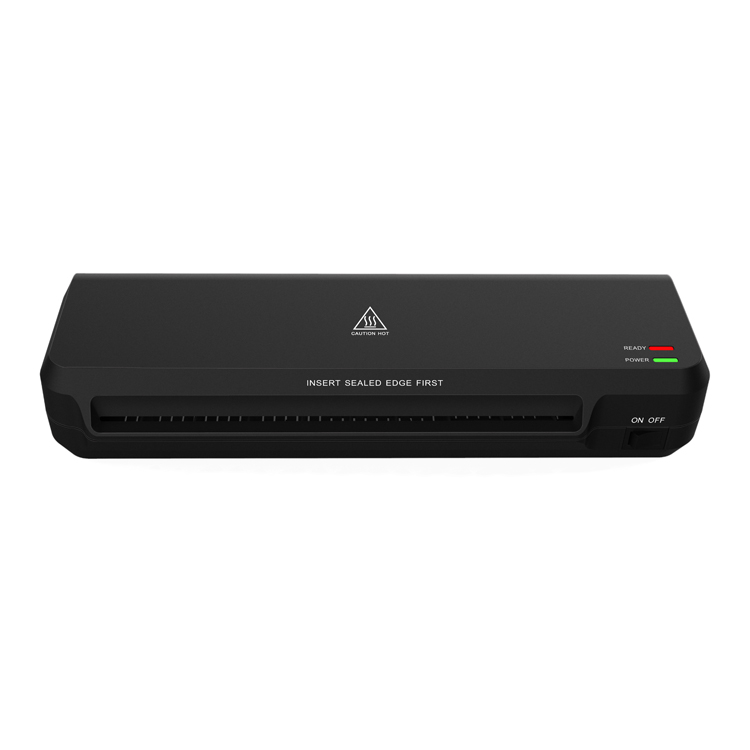
How can a thermal laminator improve work efficiency? What are its applications in offices and schools?
Content
1. How a Thermal Laminator Improves Work Efficiency
Quick and Easy Document Protection
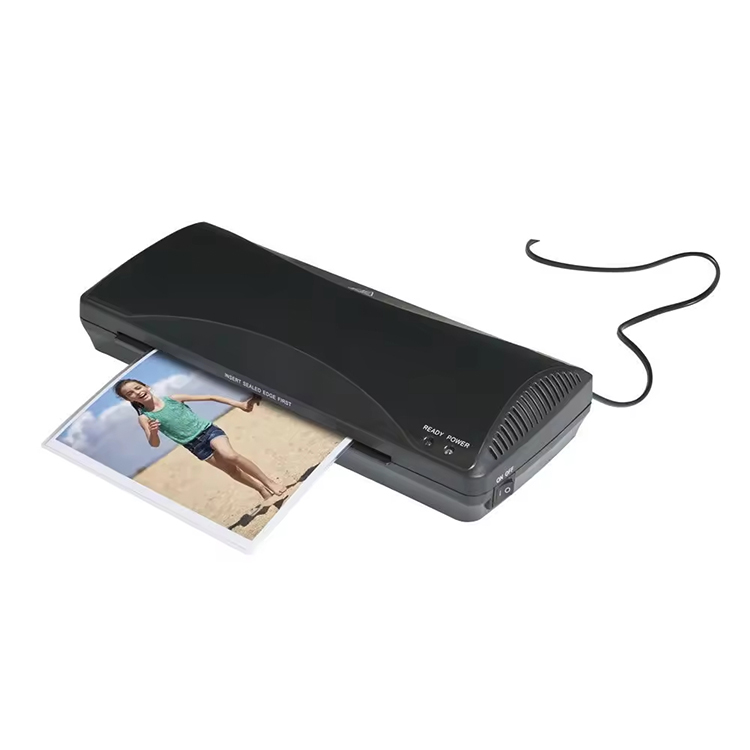
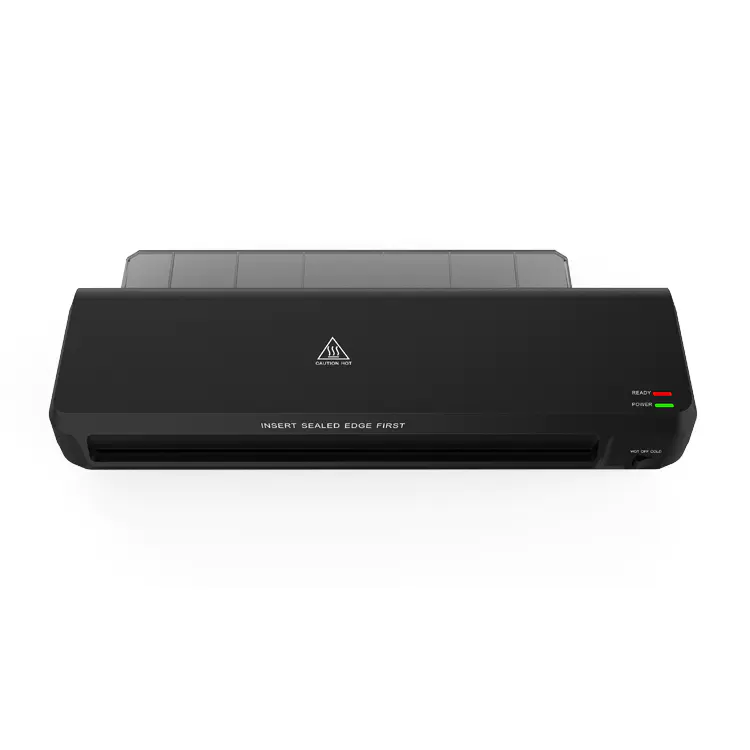
A thermal laminator significantly boosts work efficiency by providing an efficient way to protect and preserve documents. Whether you need to preserve important contracts, certificates, or marketing materials, thermal lamination ensures that these documents remain in pristine condition. By quickly sealing your documents inside a protective layer of plastic, thermal laminators guard against wear and tear, water damage, and general degradation over time. This is especially useful in offices or schools where frequently used materials are at high risk of being damaged through regular handling.
The lamination process is straightforward and fast, typically taking just a few minutes for each document. Unlike other methods of document protection (such as using binders or folders), thermal lamination is a one-step solution that creates a durable, protective layer that can last for years. This ease of use results in a reduction in time spent on maintaining or replacing materials, improving the overall work efficiency for teams who require consistently well-preserved documents.
Document Preservation and Durability
Thermal laminators are essential for improving document longevity, especially in environments with high document turnover. In an office setting, important documents such as client contracts, presentations, and legal papers are often handled frequently. The constant handling, accidental spills, or exposure to sunlight can lead to fading, tearing, or staining. Laminating these documents ensures that they withstand frequent use, preserving their readability and professional appearance for an extended period.
In schools, laminated materials such as worksheets, flashcards, and teaching aids can be reused many times. Instead of reprinting materials each time, laminating them allows for easy cleaning and maintenance. Teachers can also reuse laminated documents year after year, which saves both time and money in the long run.
Comparison of Efficiency in Document Handling
| Factor | Thermal Laminator Efficiency | Traditional Methods |
|---|---|---|
| Time for Document Protection | Fast, typically 1-3 minutes per sheet | Slower, requires multiple steps (folders, binders) |
| Durability | High, resistant to wear, water, and stains | Lower, may need frequent replacement or repairs |
| Cost Effectiveness | Low upfront cost with long-term benefits | Higher long-term costs for paper and reprints |
| Ease of Use | Simple, one-step process | Multiple steps, more time-consuming |
2. How a Thermal Laminator Can Be Used in Offices and Schools
In Offices: Improving Efficiency and Professionalism
In offices, a thermal laminator can streamline processes by quickly and efficiently preserving documents that are frequently used or need to be presented. For example, marketing materials such as brochures, flyers, or business cards are often laminated to ensure they remain professional-looking despite frequent handling. Laminating these items protects them from getting torn, creased, or damaged by water. Moreover, employee ID cards and company passes are often laminated to prevent wear and ensure they remain readable and durable over time.
Additionally, meeting agendas, client presentations, and training materials can all benefit from lamination. These documents are often shared with multiple individuals and can experience a lot of handling, so laminating them ensures they stay in good condition longer. Laminating also gives these materials a polished, professional look, which is important in corporate settings where first impressions matter.
Efficiency in Handling Office Materials
In addition to document protection, thermal laminators make it easier to organize and manage materials. Items such as schedules, instructional guides, and checklists can be laminated for frequent use. For example, calendars and task boards can be laminated and reused by simply writing and wiping off content. This process eliminates the need for repeatedly printing new documents or replacing materials that have become worn over time.
In a busy office, thermal laminators enable bulk processing of documents. Whether you need to laminate 20 client proposals or 50 product brochures, modern laminators have the capacity to handle these tasks efficiently, which saves significant time. The laminator can handle large volumes of documents in a short time, allowing employees to focus on other aspects of their work.
3. Applications of Thermal Laminators in Schools
Educational Materials and Classroom Resources
In schools, thermal laminators play a significant role in enhancing teaching materials. Teachers can laminate various resources, such as flashcards, worksheets, and posters, to ensure they last longer. For example, flashcards used in language learning or math exercises often undergo extensive handling by students, and lamination helps protect them from being torn or damaged. Laminating these materials extends their life, allowing for repeated use year after year, which is both cost-effective and sustainable.
Additionally, charts and diagrams used for teaching science, history, or geography can be laminated, ensuring that they stay visible, readable, and intact throughout the school year. Since educational materials often require constant updates, laminating also makes it easier to make temporary changes—teachers can simply write on laminated sheets with dry-erase markers and wipe them off when no longer needed.
Benefits of Laminating Educational Materials
| Material Type | Before Lamination | After Lamination |
|---|---|---|
| Flashcards | Prone to tearing, fading, and staining | Durable, reusable, and easy to clean |
| Worksheets | Can get crumpled, written over, or damaged | Easy to write on, wipe off, and reuse |
| Posters/Charts | Worn out with constant handling or exposure | Remain intact, more resistant to wear and weather |
| Timetables & Schedules | Difficult to update without reprinting | Wipe clean and write again for updates |
4. How Thermal Laminators Enhance Work Productivity in Schools
Interactive Learning and Classroom Activities
Thermal laminators also contribute to making classroom learning more interactive. Laminated activity sheets and interactive games allow students to write and erase answers or notes, enhancing engagement. For example, a teacher may laminate a set of math problems that students can solve with dry-erase markers. This allows students to practice multiple problems without wasting paper, making the lesson more dynamic.
Moreover, classroom labels, inventory tags, and name tags are common items that benefit from lamination. Teachers can easily create durable labels for organizing classroom supplies, and these can be reused throughout the year. Laminating these materials ensures they don’t fade or get damaged by constant handling, and they can be cleaned easily.
Creating Lasting Student Records
A thermal laminator can also be used for permanent student records. Items like student certificates, achievement awards, and ID cards can be laminated to protect them from wear and fading. These laminated documents serve as lasting keepsakes for students, and they are much more durable compared to standard paper versions.
By laminating achievement certificates or academic awards, schools create professional-quality keepsakes that can be cherished for years to come. Additionally, this practice helps schools save on the cost of reprinting materials since laminated documents maintain their condition for a long time.
FAQ Section
-
What types of documents can I laminate with a thermal laminator?
You can laminate a wide range of materials, including paper documents, photos, ID cards, teaching aids, brochures, and marketing materials. However, it’s important to avoid using heat-sensitive materials like delicate fabrics or certain types of foil. -
How long does it take for a thermal laminator to heat up?
Thermal laminators typically take 3 to 5 minutes to reach the optimal temperature. The warm-up time depends on the model you are using, but most modern laminators heat up relatively quickly. -
Can I use a thermal laminator for photos?
Yes, thermal laminators are ideal for photos, as they provide a protective, durable layer that shields the images from damage, dirt, and fading. -
Can a thermal laminator be used for large documents?
Some thermal laminators are designed for larger formats, so you can laminate documents up to A3 or even larger sizes. Make sure to check the laminator’s specifications to ensure it accommodates the size of your documents.
References
- Anderson, K. (2021). Maximizing Office Efficiency with Laminating Technology. Office Tools Review.
- Davis, P. (2020). The Role of Thermal Laminators in Modern Education. Classroom Resources Journal.
- Wilson, M. (2019). How Thermal Laminators Enhance Productivity in Schools and Offices. Education Technology Monthly.


-
 Kaifat Group, No.599, Qiming Road, Yinzhou Incubation, Ningbo, China
-
 +86-574-55665196
-
 [email protected]
