
 English
 русский
 Español
 Deutsch
 عربى
عربى
 0
0

How Do Household Shredders Improve Your Home Office Security?
Content
- 1 1. Protects Against Identity Theft
- 2 2. Protects Confidential Business Information
- 3 3. Ensures Compliance with Privacy Regulations
- 4 4. Prevents Dumpster Diving
- 5 5. Reduces Paper Clutter
- 6 6. Provides a Secure Disposal Process
- 7 7. Helps Build a Secure Routine
- 8 8. An Affordable Security Solution
- 9 Frequently Asked Questions (FAQ)
- 10 References
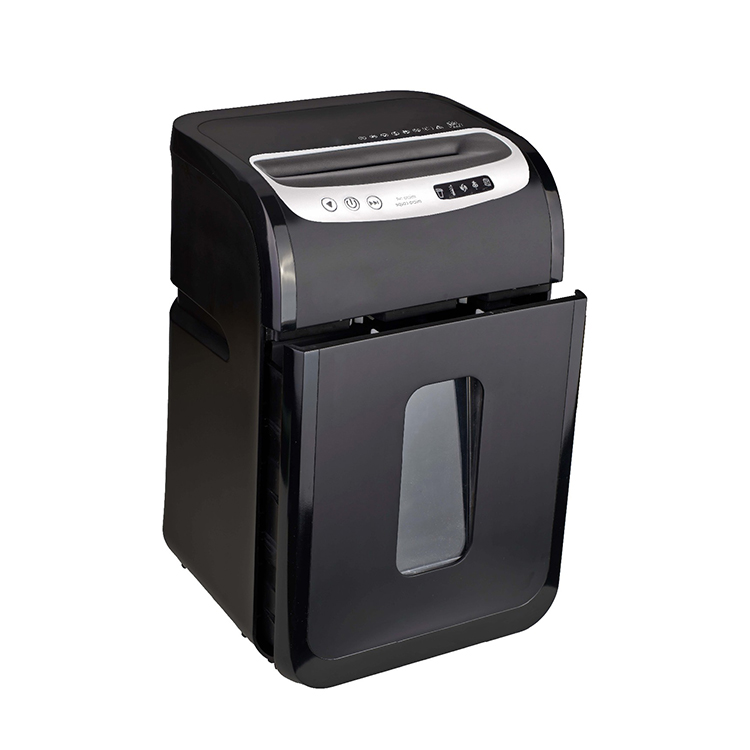
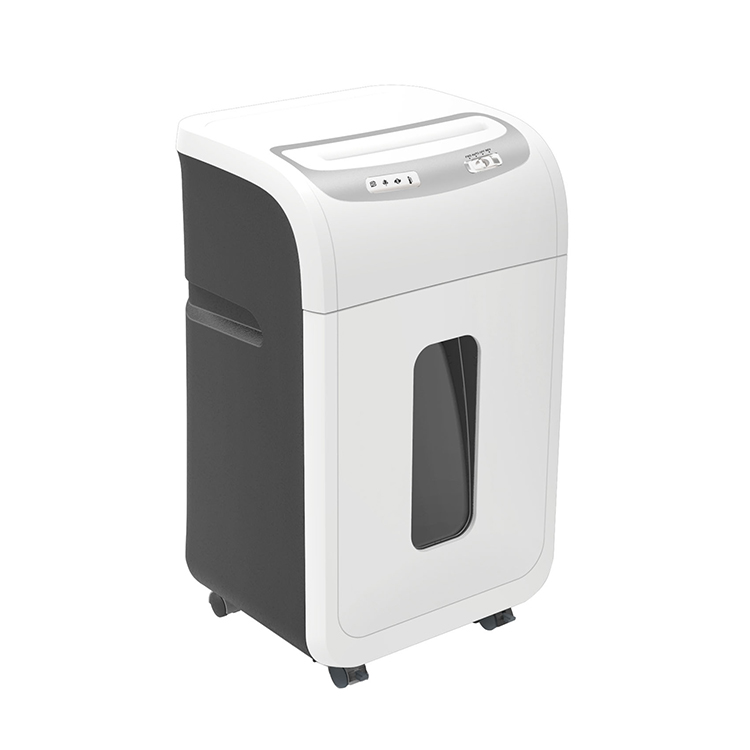
In today’s digital age, data breaches and identity theft are increasingly common. Many people focus on securing their computers and online accounts but overlook a crucial aspect: physical documents. In a home office setting, household shredders not only help clear away unnecessary paperwork but also significantly enhance overall security.
1. Protects Against Identity Theft
One of the most immediate benefits of using a household shredder is its ability to destroy personal information, thereby preventing identity theft. Many people accumulate paper documents containing personal details, such as bank statements, tax records, medical files, and even seemingly harmless junk mail. If these documents fall into the wrong hands, they can be used to commit fraud or identity theft. A household shredder ensures that these documents are completely destroyed, making it impossible for someone to recover or read the information, significantly reducing the risk of identity theft.
Household shredders are useful not only for individuals but also for protecting the privacy of family members. For example, if a family member has medical or financial records, shredding these ensures that private information is not exposed. Additionally, some shredders come with specific security modes to ensure that the shredded paper cannot be reconstructed, further enhancing security.
2. Protects Confidential Business Information
If you run a small business from home, you may handle a lot of sensitive documents, such as customer data, financial statements, contracts, or business strategies. These documents contain confidential business information and customer details that, if accessed by unauthorized individuals, could lead to serious financial loss or damage to your reputation. Household shredders provide a reliable way to ensure that such documents are securely destroyed and cannot be retrieved, reducing the risk of a business leak.
For example, if you handle customer data as part of your home-based business (e.g., an e-commerce website, service industry, or healthcare), securely destroying paper records containing personal customer information is essential. A household shredder provides an efficient solution for destroying such documents, ensuring that no sensitive data is exposed.
3. Ensures Compliance with Privacy Regulations
Many privacy protection laws require businesses to take strict measures when handling personal data and to safely destroy it when it is no longer needed. Common privacy regulations include the General Data Protection Regulation (GDPR) and the Health Insurance Portability and Accountability Act (HIPAA). If you handle personal data from clients or employees in your home office, you may be required to comply with these laws and ensure that documents are properly destroyed. Household shredders are the ideal tool to help home office users comply with these privacy laws.
For instance, GDPR mandates that businesses must destroy customer data in a secure manner. Failure to properly dispose of personal data could result in significant fines. For small businesses or home offices, using a shredder is a cost-effective and compliant method to ensure that any unnecessary paper documents are securely disposed of.
How Household Shredders Help Meet Regulatory Requirements
| Regulation/Requirement | Documents to Be Destroyed | Role of Household Shredders |
|---|---|---|
| GDPR (EU) | Customer data, employee records | Ensures secure destruction of personal data, preventing data breaches |
| HIPAA (USA) | Medical records | Prevents patient information leakage |
| CCPA (California) | Consumer data | Ensures destruction of obsolete data |
4. Prevents Dumpster Diving
Many identity theft cases are linked to “dumpster diving,” where criminals sift through trash to find discarded personal information such as bank statements, credit card bills, or personal letters. Even if these documents seem unimportant, they often contain sensitive details like names, addresses, and account numbers, which can be used for fraudulent activities. A household shredder ensures that these documents are thoroughly destroyed, preventing them from being retrieved or pieced together.
More importantly, household shredders can destroy paper documents quickly and thoroughly, unlike traditional hand-tearing methods, which can leave recoverable information. Even when dealing with large stacks of documents, shredders ensure that every sheet is cut up, making it nearly impossible to recover any data.
5. Reduces Paper Clutter
Maintaining a tidy home office not only improves efficiency but also reduces the risk of accidentally exposing sensitive information. Often, unprocessed documents accumulate, becoming a security hazard. Another benefit of household shredders is their ability to regularly clear out unnecessary paperwork, keeping the office organized. By shredding documents that are no longer needed, you reduce the chance of sensitive information being inadvertently exposed or misplaced.
6. Provides a Secure Disposal Process
Shredders offer a secure and efficient way to dispose of paper documents. Compared to traditional methods like tearing up papers or simply throwing them away, shredders ensure that documents are completely destroyed, whether they are single pages or large piles. Most modern shredders also have automatic feed features, eliminating the need for manual operation, making them quick and convenient. For a home office that needs to dispose of large amounts of paperwork regularly, a household shredder is an indispensable tool.
7. Helps Build a Secure Routine
Incorporating shredding into your daily office routine fosters better data security habits. Many home offices delay the processing of paper documents, leaving sensitive information exposed. By making shredding a regular habit, you ensure that every unnecessary document is securely disposed of, maintaining a proactive approach to information security.
8. An Affordable Security Solution
Compared to the high cost of security systems or encrypted data services, a household shredder is an affordable and effective security measure. While it’s a one-time investment, it offers long-term peace of mind for protecting personal and business information. Whether you’re a single user or part of a multi-person home office, a shredder provides reliable protection without ongoing maintenance costs.
Frequently Asked Questions (FAQ)
1. What types of documents can household shredders handle?
Most household shredders can handle paper documents, envelopes, junk mail, and magazines. However, whether they can handle items like paper clips or staples depends on the model and features of the shredder.
2. How do I choose the right shredder for my home office?
When choosing a shredder, consider its security level, paper handling capacity, shredding type (e.g., strip-cut or cross-cut), bin capacity, and noise level. Ensure that it can handle the volume of documents you regularly process.
3. Will a household shredder damage paper?
A good-quality household shredder should not damage paper during normal use. However, if you try to shred thick stacks of paper or force the machine to operate beyond its capacity, it may cause paper jams or damage.
References
- National Cyber Security Centre (2020). “Protecting personal information: Best practices for shredding documents.”
- The Federal Trade Commission (FTC). (2019). “Consumer information: How to protect your personal information.”
- GDPR Text. (2018). “General Data Protection Regulation (GDPR).”


-
 Kaifat Group, No.599, Qiming Road, Yinzhou Incubation, Ningbo, China
-
 +86-574-55665196
-
 [email protected]
